The update adds efficacy and safety data on adults newly diagnosed with pulmonary arterial hypertension.
With its popularity increasing on TikTok, melanotan II has been given monikers like ‘vacation peptide’ and ‘Barbie drug’ because of its effect on the skin.
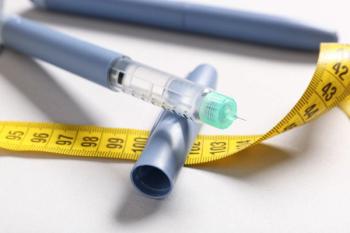
Melanotan II (MT2) is one of the newest, most recent peptides to make waves across internet cultures and specific health care communities because of its accelerated tanning effects, according to McGill University.1 Nicknamed both the ‘vacation peptide’ and ‘Barbie drug,’ experts are racing to help the general public understand MT2 before its risks outweigh its cosmetic and aesthetic benefits.
“MT2, an injectable melanocortin agonist, has become popular among people interested in achieving a fast, ‘natural’ tan,” wrote the authors of a study in the Journal of the American Academy of Dermatology.2 “While the FDA has issued safety risks about MT2, the online market of medications offers affordable and easily accessible research peptides.”
The pharmacology of MT2 is rooted in its ability to function as a synthetic analog of alpha-melanocyte-stimulating hormone, one that’s naturally produced in the pituitary gland and regulates skin pigment.3,4
By mimicking this hormone, the drug hacks the body's natural pigment regulation, stimulating melanocytes to produce melanin without the need for ultraviolet (UV) exposure.4,5
Although it is often marketed as a tanning product, the compound is not limited to the skin. It binds to various melanocortin receptors throughout the body, affecting systems related to appetite and sexual arousal. Despite WebMD experts noting it is sometimes categorized online as a vitamin or supplement, the FDA does not recognize it as a legal dietary or cosmetic ingredient, and it remains unapproved for any medical use in the US.4-6
READ MORE:
The demographic profile of MT2 users often contradicts the “Barbie drug” nickname, which implies a young, female audience. A 2025 qualitative study of 29 self-reported users found an average age of nearly 40, with over 75% of participants being cisgender men who were often introduced to the peptide through bodybuilding or gym circles.1,2
For pharmacists, identifying potential users can be difficult because the drug is sold through a grey market that frequently changes tactics to avoid regulation. Sellers often use generic or unbranded packaging that looks like standard vitamins and employ disguised payment methods to stay beneath the radar of financial regulatory networks as well.1
The clinical risks associated with MT2 are severe and multifaceted, ranging from immediate systemic reactions to long-term oncological concerns. Many users report nausea, facial flushing, and vomiting shortly after administration, yet some individuals dangerously interpret these adverse effects as proof that the product is working.1,2,5,6
Of particular concern to urologists and emergency departments is the risk of priapism, a painful and persistent erection that constitutes a medical emergency.1,3
One documented case involved a 41-year-old man who suffered a 22-hour erection after a single injection, requiring the drainage of 700 milliliters of blood from his penis. Another instance saw a 55-year-old man hospitalized for 30 hours for the same condition.
Dermatological experts are also sounding the alarm regarding melanocytic proliferation. MT2 can cause existing moles to darken or enlarge and can lead to the sudden appearance of new pigmented lesions, which complicates skin cancer screenings.3-6
Although a persistent myth suggests that MT2 protects against skin cancer by preventing sunburn, there is no scientific evidence for such protection. In fact, there are case reports suggesting that the persistent stimulation of pigment cells may jumpstart the progression toward melanoma, the deadliest form of skin cancer.3,4
Beyond the skin, there are even reports of MT2 being a possible factor in renal infarction and failure.1,6
The crisis of MT2 reflects a broader shift in public trust away from medical institutions and toward social media influencers. Despite the drug's origins tracing back to a legitimate 1980s research program at the University of Arizona intended to protect fair-skinned individuals from cancer, that history has been distorted to market the peptide as a safe sunscreen alternative.1,4
Regulatory bodies like the Therapeutic Goods Administration (TGA) in Australia and Health Canada have banned the drug and are working to remove its advertising from platforms like TikTok, yet it remains easily accessible online.4
For those seeking a tanned appearance, pharmacists should recommend topical self-tanners containing dihydroxyacetone as a safe, UV-free alternative that does not carry the systemic risks of unregulated peptide injections.5
“That’s the real story behind every flashy peptide trend, melanotan included: not a system that’s too slow to catch up, but trust that has already relocated somewhere institutions were never built to watch,” concluded the McGill University report.1 “Dermatologists are starting to see the moles. Regulators are still issuing one warning letter at a time. Both are doing exactly what they’re trained to do. They’re just no longer anywhere near where the actual decisions are being made.”
READ MORE: