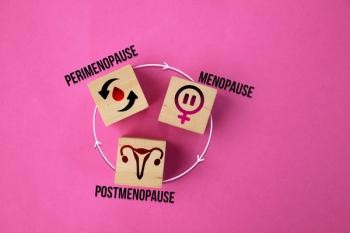
Data assessing Novo Nordisk’s investigational diabetes and obesity medication were presented at The Menopause Society's 2026 Annual Meeting.
Through a mathematical model used to assess asthma dynamics, researchers explore how active smoking can impact disease outcomes.
The key to managing the global asthma burden lies in a dual-pronged approach using the simultaneous application of medical treatment and high-reach public health awareness, according to a study published in Results in Control and Optimization.1 Researchers utilized a deterministic model to demonstrate how tobacco smoke accelerates asthma transmission and severity within various populations.
“Among the environmental and lifestyle factors that aggravate asthma, cigarette smoking is one of the most critical,” wrote the authors of the study. “Tobacco smoke introduces toxic irritants such as ammonia, acrolein, and nitrogen oxides into the respiratory system, which reduce lung function and heighten susceptibility to asthma triggers.”
The most effective path to stability and disease eradication was found through an optimal control strategy that pairs social media awareness campaigns with rigorous treatment protocols. The study found that this combined strategy is far more effective and cost-efficient than applying either intervention in isolation, as it concurrently reduces the number of active smokers and increases recovery rates among those already diagnosed.
The clinical necessity of this integrated approach is underscored by data from broader medical reviews, which indicate that nearly 50% of adults with asthma have a history of current or former cigarette smoking.2 These patients often present with a specific asthma-smoking phenotype characterized by suboptimal control, frequent exacerbations, and an accelerated decline in lung function compared with nonsmokers.
READ MORE:
For pharmacists, managing this population is particularly complex because smoking induces corticosteroid insensitivity, often requiring higher doses of inhaled corticosteroids or the addition of long-acting muscarinic antagonists (LAMA) and biologics to achieve results.
Diagnostic misclassification is also common, especially in older smokers where asthma may overlap with chronic obstructive pulmonary disease, making personalized management plans and smoking cessation advice critical components of pharmaceutical care.
The biological mechanisms driving these poor outcomes are further explained by recent research into innate immunity, which reveals that cigarette smoke significantly increases the frequency of proinflammatory type 3 innate lymphoid cells (ILC3s) in the sputum and blood.3 These activated, memory-like cells correlate with high neutrophil counts and are found to persist even after a patient quits smoking, potentially explaining the long-term severity of the disease in former smokers.
Smoke exposure damages the airway epithelial barrier, triggering the release of interleukin-1β, which directly promotes the proliferation and activation of these harmful ILC3s. This cellular shift toward a nonallergic, neutrophilic phenotype highlights why traditional asthma treatments may fail and why targeted medical interventions are necessary to stabilize the airway.
Despite these cellular challenges, experimental models show that standard asthma therapies still play a vital role in symptom management. Although smoke exposure can paradoxically attenuate airway hyper-reactivity in some models, it significantly enhances the Late Asthmatic Response (LAR), a prolonged bronchoconstriction event that is a key clinical endpoint for symptom severity.4
Research demonstrates that gold-standard therapies, including long-acting β2-agonists, LAMAs, and glucocorticoids, remain effective at blocking this enhanced LAR signal even in the presence of cigarette smoke.
For the practicing pharmacist, this confirms that while smoking complicates the underlying inflammation, adherence to optimized combination therapies remains a cornerstone of preventing the acute bronchospasms that lead to hospitalization.
Although awareness, understanding, and proper treatment can all improve asthma outcomes on their own, marrying these approaches into a pharmacist-led intervention can further bolster the asthma burden at the most accessible health care destination in the US: pharmacies. With the recent adaptation of artificial intelligence and machine learning, pharmacists can further assist in improving outcomes as technology is further developed.
“The study further incorporated an optimal control framework for smoking-induced asthma, aiming to intensify disease management in human populations. Two crucial control variables—awareness campaigns through social media and treatment protocols—were introduced,” concluded the authors of the current study.1 “Future extensions of this work may include the integration of machine learning techniques with fractional differential operators to improve predictive capacity.”
READ MORE:
Don’t get left behind: Sign up today for our