In this episode, our hosts examine the expanding role of incretin therapies in children and adolescents with obesity and type 2 diabetes.
Pharmacists can improve cardiometabolic adherence by easing adverse effects, simplifying regimens, tackling costs, and synchronizing refills.
Among adults with chronic illnesses such as diabetes and hypertension, an estimated 30% to 50% of medications are not taken as prescribed, and poor adherence has been associated with increased morbidity, mortality, hospitalizations, and preventable deaths.1 Medication nonadherence is a multifactorial challenge. A cardiometabolic adherence framework developed by the American College of Preventive Medicine identifies 5 core pillars that influence adherence: socioeconomic challenges, health care system design, the medical condition itself, therapy-specific burdens, and patient-related factors.2
This article focuses on 4 of these 5 pillars—therapy-specific burdens, patient-related factors, socioeconomic challenges, and health care system design—leaving the medical condition itself outside its scope, and offering practical interventions pharmacists can use during routine care.
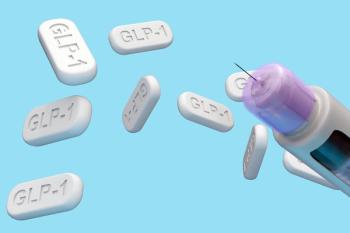
Glucagon-like peptide-1 receptor agonist (GLP-1 RA) treatment illustrates the therapy-specific burden pillar, as gastrointestinal (GI) adverse effects can contribute to medication discontinuation.2 In a real-world cohort of more than 125,000 adults starting GLP-1 RAs across 30 US health systems, nearly half of patients with diabetes and two-thirds of patients without diabetes discontinued therapy within 1 year.3
Patients who experienced GI adverse effects were 19% to 38% more likely to discontinue treatment. For pharmacists, early counseling can address the barrier before symptoms lead to discontinuation. Because GLP-1 RAs delay gastric emptying and reduce intestinal motility, proactive counseling before and during dose escalation can help patients prevent or manage nausea, vomiting, diarrhea, and constipation.4,5 Providing a clear management plan helps address therapy-specific burdens and may reduce treatment discontinuation.
Much like GLP-1 therapies, metformin immediate-release (IR) commonly causes GI adverse effects and introduces the added patient barrier of a multiple daily dosing schedule. Transitioning a patient to once-daily extended-release (ER) reduces peak intestinal drug exposure while simplifying the regimen.6 In a prospective cohort study evaluating these formulations, diabetes–related quality of life improved similarly with both regimens. However, the ER formulation significantly reduced adverse effect burden, with only 24.5% of patients reporting GI symptoms compared with 45.2% on IR.
A systematic review similarly found comparable efficacy between IR and ER metformin, with ER providing better long-term adherence.7 However, cost and coverage of specific metformin ER formulations can create a separate socioeconomic barrier. Standard generic metformin ER products are substantially less expensive than generic osmotic or gastric-retentive ER products.8 These higher-cost formulations may contribute to greater out-of-pocket costs or coverage-related delays, depending on the patient's insurance. Pharmacists can address these socioeconomic and health care system barriers by confirming the exact ER formulation prescribed, checking formulary coverage, and collaborating with the prescriber when a lower-cost, clinically appropriate alternative could prevent treatment interruption.
Therapy-specific burdens and patient-related factors also influence statin adherence, particularly when patients experience or fear muscle-related adverse effects.9 The 2026 ACC/American Heart Association (AHA) dyslipidemia guideline identifies myalgia, muscle weakness, and concern about developing these symptoms among the most frequently reported reasons for statin nonadherence. To avoid unnecessary statin discontinuation, clinicians should rule out other potential causes, including strenuous activity, secondary muscle conditions, and drug interactions, before attributing muscle symptoms to the therapy itself.9 A structured evaluation can validate the patient's concern while preserving risk reduction when possible. The ACC Statin Intolerance Tool can guide symptom assessment, temporary discontinuation or rechallenge, and selection of a tolerated statin and dose.10 This provides a practical way to address the therapy-specific and patient-related barriers without dismissing the patient's experience.
Even when medication tolerability has been addressed, regimen complexity remains another adherence barrier. Greater pill burden was associated with higher nonadherence across multiple cardiometabolic medication classes in a retrospective cohort of more than 500,000 US patients.11 The 2025 AHA/ACC hypertension guideline recommends single-pill combinations, when appropriate, rather than separate tablets to reduce pill burden.12 Regimen consolidation addresses a therapy-specific burden and may reduce patient-related barriers such as forgetfulness or feeling overwhelmed by a complex schedule. During medication review, pharmacists can use the American Heart Association resource Cardiometabolic Medications by Class (Including Combinations) to identify separate agents that may be available as a single-pill product.13 Because available products and coverage change, confirm the current options in a drug database before making a recommendation.
Simplifying the regimen is only one part of reducing treatment burden. Pharmacists can also simplify how patients obtain their medications. Medication synchronization aligns refill dates so patients can receive chronic medications during 1 scheduled pharmacy visit. A meta-analysis of 9 studies found that patients enrolled in medication synchronization programs were twice as likely to adhere to their medications. The 2025 AHA/ACC hypertension guideline also supports medication synchronization as an adherence strategy.14 This health care system design intervention can also reduce patient-related barriers, including multiple pharmacy trips and missed refills. Pharmacists can support successful synchronization by encouraging patients to use 1 pharmacy or retail network so the full medication profile is visible, requesting 90-day prescriptions with sufficient refills when appropriate, and activating text reminders or automatic refills.
These interventions show that multifactorial adherence barriers can often be addressed with quick, focused, practical changes rather than reminders alone. Pharmacists can identify whether barriers are related to adverse effects, regimen complexity, cost, or refill logistics and match them with targeted interventions. Small changes in counseling, adverse effect management, formulation, pill burden, and refill coordination can make long-term cardiometabolic therapy easier to continue.
about 1 month ago
Digital Experience Crucial for Pharmacies to Drive Patient Retentionabout 1 month ago
Remuneration, Workload Remain Barriers to Pharmacy Expansion