


With nearly 7 million women living in a health care desert, pharmacists can provide crucial reproductive care services.
With nearly 7 million women living in a health care desert, pharmacists can provide crucial reproductive care services.

Don’t miss out on the latest pharmacy insights in the Drug Topics September/October issue.

The NCPA 2024 Annual Convention and Expo runs through October 29, 2024, in Columbus, Ohio.

Before marketing your pharmacy’s immunizations services, check out these takeaways from NCPA.

A conversation with Chelsee Jensen, PharmD, BCPS, senior pharmacy specialist at the Mayo Clinic.

Industry experts gathered to discuss pharmacy benefit managers, their current grasp on the drug supply chain, and how it all impacts independent pharmacies.

PBM reform legislation has progressed further in Congress than ever before.

A conversation with Erin Rexroth, director of marketing at the National Community Pharmacists Association.

A second immunization session focused on updates in meningococcal disease, HPV, and Mpox.

The digest was released at the NCPA 2024 Annual Convention and Expo.

Making the store’s front end a priority can increase revenue opportunities and boost pharmacy profit.

A conversation with Lauren Angelo, PharmD, MBA, associate dean of academic affairs and associate professor of pharmacy practice at Rosalind Franklin University of Medicine and Science College of Pharmacy.

In case you missed it, this week we had stories about the FDA approval of Pfizer's RSV vaccine, vaccines and COVID-19 hospitalization in children, race-based disparities in multimodal analgesia, and more.

The Drug Enforcement Administration gives controlled substance licenses, and can just as easily take them away.

AJ Loiacono, co-founder and CEO of Capital RX, discusses how the National Average Drug Acquisition Cost provides accuracy and transparency for stakeholders across the drug supply chain.

David Ha, PharmD, BCIDP, discusses why pharmacies should begin offering more vaccines and how they can better market their services to the community.

The first of a 2-part presentation focused on vaccines for COVID-19, flu, RSV, and pneumococcal disease.
Check out a recap of important pharmacy news you might have missed this week, dispensed in small doses.

Don’t miss out on the latest pharmacy insights in the Total Pharmacy October issue.

The FDA has approved just the second treatment for uncomplicated urinary tract infections (UTIs) in the last 2 decades.

The cost effectiveness of biosimilar denosumab for postmenopausal osteoporosis varies significantly based on factors like adherence, subsequent therapies, and treatment duration.

As the H5 bird flu outbreak gradually impacts human health in the US, health care experts weighed in on possibilities of a future vaccine.

Analyzing outcomes from the COVID-19, influenza, and pneumococcal vaccines, researchers explored the effectiveness and patient hesitancy surrounding each vaccine.

A series of posters presented at AMCP Nexus 2024 highlighted the evolving landscape of women's health, focusing on the use of medications for preterm birth prevention and the adoption of telehealth for prenatal consultations.
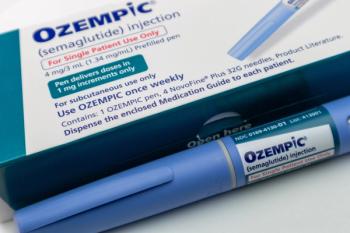
A recent study found the percentage of type 1 diabetes patients who were prescribed either GLP-1s or SGLT2 inhibitors increased from 0.7% to 8.3% between 2010 and 2023.

The new recommendations suggest vaccination at age 50, rather than age 65.

Adding to the mail-order options within big chain pharmacy, Walmart is promising prescription delivery in as quickly as 30 minutes.

Research presented at AMCP Nexus 2024 underscored and explored the need for treatments that can prevent or mitigate flare-ups in patients with AD.

Nina Vadiei, PharmD, BCPP, a clinical associate professor at UT Austin and a clinical pharmacy specialist in psychiatry at San Antonio State Hospital, discusses her career as a psychiatric pharmacist.

New research presented at AMCP Nexus 2024 highlighted the effectiveness and cost-effectiveness of various migraine treatments, including onabotulinumtoxinA and fremanezumab, as well as the importance of migraine education programs for improving patient outcomes.