


Michael Hegener, PharmD, BCACP, discusses what workflow changes are essential to support the expansion of patient care services in community pharmacies.
Michael Hegener, PharmD, BCACP, discusses what workflow changes are essential to support the expansion of patient care services in community pharmacies.

Researchers explored how relationships between physicians, pharmacists, and patients are associated with the use of generic drugs in Japanese pharmacies.

Mitchell Barnett, PharmD, MS, discusses what lessons can be learned from a community pharmacy drug disposal program.

David Swenson, RPh, discussed drug shortage technology that his company is helping bring to community pharmacies across the country.

By protecting pregnant patients from cardiometabolic risk factors, healthier blood pressure can be promoted for children.

PBM expert Antonio Ciaccia, president of 3 Axis Advisors and CEO of 46brooklyn Research, discussed recent events in the pharmacy benefits industry and how it is moving toward PBM reform.

Antonio Ciaccia, President of 3 Axis Advisors, CEO of 46brooklyn Research, and pharmacy benefits expert, discussed his role in uncovering PBM practices and pharmacy consulting.

Triptans are often a first-line treatment for migraine and can be used to treat menstrual migraine and cluster headaches.

A conversation with Razanne Oueini, PharmD, MSc, CPHQ, senior manager of Performance Measurement at PQA, at PQA 2025.

Researchers explored the current evidence regarding women’s reactions to biological therapies for treating atopic dermatitis during pregnancy.

Acetaminophen exposure can increase the risk of perforation, ulceration, bleeding, heart failure, hypertension, and chronic kidney disease.

David Swenson, RPh, Founder and CEO of ShortStop Rx, joined Drug Topics to discuss the CCT Rx Shortage Solutions technology and how it’s helping combat drug shortages in the US.

Adalimumab-aaty (Yuflyma) prefilled syringes and autoinjectors are now fully interchangeable with the reference product adalimumab (Humira) across marketed dosage forms and strengths.

The supplemental new drug application for roflumilast (Zoryve) is approved for adult and pediatric patients 12 years and older.

Approval comes from positive results in the MATINEE and METREX phase III trials, with data showing a significant reduction in annual rates of COPD exacerbations among patients.

Insulin delivery technology company Sequel Med Tech announced its future partnership with Abbott’s glucose-ketone sensor, which is currently under development.

A conversation with Micah Cost, PharmD, MS, CAE, CEO of PQA, at PQA 2025.

During Viral Hepatitis Awareness Month, Jeff Goad, PharmD, MPH, joined Over the Counter to discuss hepatitis vaccines and the common trends pharmacists in this space should keep in mind.
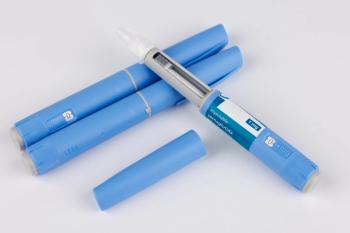
The new program aims to reduce costs for patients, with savings estimated at as much as $3600 per year.

Through a comprehensive review and meta-analysis, researchers identified the correlation between atopic dermatitis and dementia.

A conversation with Kaitlin Bates, PharmD, ARHOME Quality Manager at Arkansas Blue Cross and Blue Shield, at PQA 2025.

Importing prescription drugs from Canada has been met with criticism, such as weakening the pharmaceutical supply chain and posing increased risks to patient safety.

Patients included in the study were aged 6 to 17 years with attention deficit/hyperactivity disorder (ADHD).

Pharmacists can substitute ustekinumab with the biosimilar at the pharmacy level, depending on their state laws.

Researchers investigate annual medication costs for children and determine which of them would qualify for medication therapy management based on CMS thresholds.

Researchers aim to understand how deprescribing interventions impacted changes in inappropriate medication use or total prescription drugs among older, community-dwelling adults.

A conversation with Michael Hegener, PharmD, BCACP, associate professor of Pharmacy at the University of Cincinnati, at PQA 2025.

V116 is noninferior to 23-valent pneumococcal polysaccharide vaccine (PPSV23) for all 12 common serotypes and superior to 9 unique serotypes.

President of the National Foundation for Infectious Diseases, Jeff Goad, PharmD, MPH, discusses how pharmacists can help improve hepatitis A and B vaccine rates across the country.

Approximately 67% of adults in the US know that vaccines do not cause autism in children, declining significantly from 74% in 2021.