

Real-time prescription pricing and auto-applied discounts cut pharmacy counter surprises, speed therapy, and free pharmacists for patient-focused care.
Real-time prescription pricing and auto-applied discounts cut pharmacy counter surprises, speed therapy, and free pharmacists for patient-focused care.
In this episode, host Taylor Watterson, PharmD, PhD, brings us a solo rendition breaking down some of her recent research with SCRPTS Laboratory.

Lower patient caps shift costs to community pharmacies, fueling pharmacy benefit manager fees, mail-order growth, and pharmacy deserts.

The adeno-associated virus (AAV) vector-based gene therapy lunsotogene parvec-cwha received approval through the FDA Commissioner’s National Priority Voucher pilot program.

The drug’s indication for uncontrolled chronic spontaneous urticaria is the first biologic medicine of its kind, specifically explored amongst children 2 to 11 years old.

Pharmacists can review medications that delay wound healing, helping patients choose safer care and avoid infections.
As the “peptide craze” fuels a surge in unregulated vendors, pharmacists must serve as critical navigators to steer patients toward safe, pharmaceutical-grade alternatives.

GSK’s investigational drug for liver treatment was given fast-track designations to improve access in what the FDA considers a significant unmet medical need.

Nathan Ott, PharmD, discusses the evolution of pharmacists’ role in vaccine administration and how that role has changed since the COVID-19 pandemic and prior.
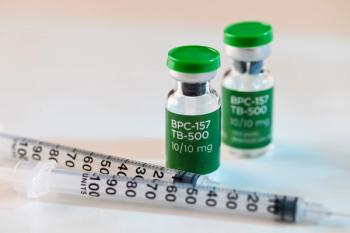
Following an FDA announcement on its deeper look into peptide restrictions, Christopher Shade, PhD, joined to provide insights on their functions for metabolic health and more.

Researchers find Reddit posts provides a look at the real-world adverse effects of glucagon-like peptide-1 receptor agonists.
In a recent webinar sponsored by Drug Topics, pharmacy and insurance industry experts discuss the true impact of recent PBM reform efforts on the greater drug supply chain.

Pharmacists have the expertise to address acute and chronic pain distinctions, missed-dose protocols, tolerance and safety insights, and multimodal, non-pharmacological strategies for pain.

The 2026 guidance emphasizes that selecting newer and innovative agents should occur early, dependent on comorbidities of the patient.

The FDA’s Pharmacy Compounding Advisory Committee will meet in late July of 2026 to convene on peptides and their inclusion on the 503A Bulk Drug Substances List.
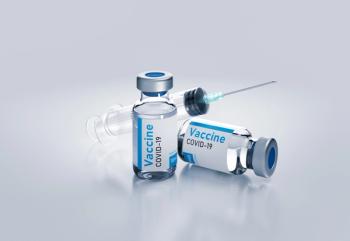
A head-to-head trial shows a protein-based COVID-19 booster causes fewer adverse effects, boosting patient preference and aiding pharmacists.

In an evolving pharmacy landscape, accreditation can be difficult to manage, which is why experts like Mitch Lamb, PharmD, can steer businesses onto their desired paths.

Under a 12-month agreement, the Utah authorities granted companies permission to use generative AI to authorize medication refills for state residents.

This proposed rule builds on previous CMS guidance from 2020 and 2024.

FDA expands Tzield use to age 1 year to delay stage 3 type 1 diabetes, enabling earlier immune intervention.

Community pharmacists can spot chronic wound red flags, boost diabetes control, and guide prevention for faster healing and safer care.

New research examines what drives, or hinders, pharmacists when guiding patients through self-medication decisions for minor ailments like cold and flu.

In an exploration of pharmacists’ self-efficacy, researchers explored medication counseling outcomes for older adults across various languages.
Cloned pharmacy sites and fake GLP-1 weight-loss pens surge online, prompting federal crackdowns and urgent safety warnings for patients.
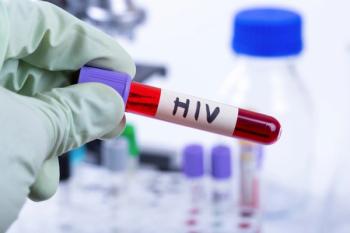
FDA approves Idvynso, a 2-drug HIV switch option for suppressed adults, supporting simpler care as people age with HIV and manage multiple conditions.

Pharmacists cut through wound-care aisle confusion, explaining simple steps, moist healing, and when basic dressings beat pricey ointments.

Researchers conduct an exploration of e-prescription challenges and potential across pharmacies in Germany.

Sally Rafie, PharmD, BCPS, discusses current developments regarding access to the abortion pill and other notable events regarding women’s reproductive rights.

The executive order mandates national priority vouchers for psychedelic drugs that have received breakthrough therapy designations.
This episode highlights key DSCSA updates in 2026, T3 documentation going forward, and many more developments surrounding the law.