An analysis found all-cause pneumonia Black, lower-income, and medically at-risk children still face substantially higher rates of hospitalization.
CDC researchers investigate pneumococcal disease cases and intervention strategies within a North Carolina correctional facility from June 14 to July 30, 2024.
Although serotype 4 circulation has created challenges in effective pneumococcal vaccination, new cases of pneumococcal disease were eliminated after implementation of the 23-valent pneumococcal polysaccharide vaccine (PPSV23), according to Emerging Infectious Diseases.1
“Invasive pneumococcal disease (IPD) outbreaks can occur in congregate settings, such as nursing homes or correctional facilities (ie, jails and prisons), and result in substantial illness and death,” according to the authors of the study. “Effective vaccines against IPD are available; however, pneumococcal vaccines confer protection only to the specific Streptococcus pneumoniae (S. pneumoniae) serotypes contained in vaccines.”
In the summer of 2024, a minimum-custody correctional facility in North Carolina became the focal point of an aggressive public health intervention following a sudden outbreak of S. pneumoniae. Between June 14 and July 30, investigators identified 14 cases of serotype 4 infection, a strain historically considered uncommon in the southeastern US.1
Most patients were Black men with a median age of 51 years, and many were current or former smokers, a significant risk factor for IPD. This incident underscored the persistent risk of rapid transmission in congregate settings where close living quarters and underlying health disparities facilitate the spread of the pathogen.
READ MORE:
According to medRxiv, the North Carolina event mirrors a wider, troubling trend of serotype 4 resurgence observed globally. A recent retrospective study from Spain highlighted an abrupt cluster of serotype 4 IPD cases in Seville starting in 2022.2
Unlike previous patterns, this lineage demonstrated a notably enhanced ability to infect human lung cells, a virulence that was significantly magnified in the presence of cigarette smoke exposure or influenza H3N2 virus coinfection. These findings suggest that behavioral risk factors, including tobacco and substance use, are becoming increasingly influential in the molecular epidemiology of pneumococcal outbreaks among young adults.
For pharmacists, understanding the clinical criteria and diagnostic pathways for IPD is essential for effective patient management, according to the CDC.3
IPD is defined by the isolation of S. pneumoniae from a normally sterile body site, such as blood, cerebrospinal fluid, or joint space.1,4 Molecular detection methods and urinary antigen tests provide rapid diagnostic options, though pharmacists should note that the latter may have variable specificity in adults.3,4
In the management of serious infections, pharmacists are critical in guiding the transition from broad-spectrum empiric antibiotics to targeted, narrow-spectrum agents once susceptibility results are available.3 Although resistance is not currently a severe problem, experts emphasize the importance of newer drugs like ceftaroline and suggest that empiric therapy for bacteremic pneumonia should typically involve a combination of beta-lactams and macrolides.5
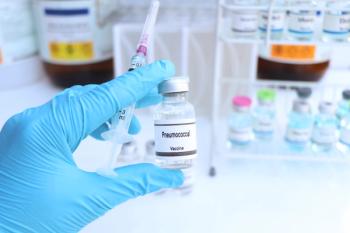
Vaccination remains the most effective defensive tool, yet the North Carolina outbreak highlights nuances of product selection.3,6 During the response, officials opted for PPSV23 due to its immediate availability and the fact that it covered serotype 4.1
Pharmacists must be aware that while the recently recommended 21-valent conjugate vaccine (PCV21) covers many circulating serotypes, it notably excludes serotype 4. This highlights the necessity of using serotyping data to inform vaccine choice, especially in high-risk environments where documented vaccination histories are often absent.
As the front line for adult immunization, pharmacists play a vital role in reaching at-risk populations. Current CDC guidelines recommend pneumococcal vaccination for all adults aged 50 or older and those aged 19 through 49 with certain risk conditions.6
In the North Carolina outbreak, the rapid implementation of movement restrictions combined with a fast vaccination rollout effectively halted new cases within 5 days of the report. As serotype 4 continues to appear in diverse geographic regions, the integration of robust molecular surveillance with proactive pharmacy-based immunization programs will be paramount in limiting the impact of future outbreaks.1,2
“Although conjugate vaccines (PCV15, PCV20, PCV21) are more immunogenic than PPSV23, timely administration of PPSV23 might have prevented additional serotype 4 IPD cases,” concluded the authors of the current study.1 “Rapid serotyping of pneumococcal cases can inform vaccine selection in managing IPD within specific environments, including correctional facilities.”
READ MORE:
Pharmacy practice is always changing. Stay ahead of the curve: Sign up for our