

When it comes to cardiac disease, pharmacists in all practice settings can make a difference.
When it comes to cardiac disease, pharmacists in all practice settings can make a difference.

Three medical groups have issued guidelines for the use of anticoagulants during cardiac surgery.

The DOAC edoxaban can replace dalteparin for treating cancer patients with venous thromboembolism.
The chain patented new tech to help better manage oncolytic usage.
Hurdles to adoption of biosimilars include regulatory issues and lack of interchangeability with the reference drugs.
Will healthcare manufacturing in Puerto Rico be back on its feet by next hurricane season?
New study finds just how much people like and trust their pharmacists.
Pharmacists need to stay informed about new technologies in order to help diabetic patients take advantage.

Research finds that pharmacists in ACOs improve medication use (and save money).
Easy-to-swallow bits of information from around the world of pharmacy.
Pharmacy chains are stepping up to help diabetes patients.
The pharmacist's role in diabetes care will only continue to grow.
New plans are designed around feedback and a desire to increase safety checks.
The Father of Vitamins was an incredibly important person who went unthanked-just like pharmacists.
How a gel could prevent opioid abuse and get pharmacists more involved.
An Australian study found that crush-proof opioids are working.
Over 450 hospitals have joined together over frustrations about drug prices and shortages.

Drug Topics asked PTCB CEO William Schimmel where the pharmacy technician profession is headed.
CMS is considering big changes to DIR fees and pharmacists are excited.
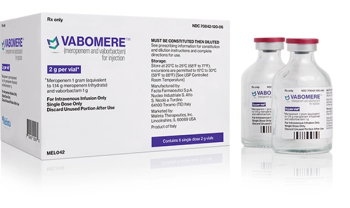
Vabomere combines a carbapenem and a beta-lactamase inhibitor as a treatment for complicated urinary tract infections.
The agency’s ruling also added an additional Boxed Warning.

There's been a lot of talk about these programs, so just what are they accomplishing?

Being recognized as a BCPP brings professional recognition and credibility as an expert in psychopharmacology and behavioral health matters.
Explaining the high price of a drug to a customer is hard enough, but its worse when its your mother.
ASHP predicts leadership changes, enlarged roles for pharmacists, and financial pressures.

Is new technology actually making pharmacy any better (or easier)?
Air Force SSgt Mary Johnson was named the 2017 PTCB CPhT of the Year for her work.
What’s the difference between a challenge and an opportunity? In 2018, for pharmacy, they may be the same thing.
Study finds that patients like wellness visits conducted by pharmacists.