

Denosumab-bnht (Conexxence, Bomyntra) became the third biosimilar in 2025 to be approved for denosumab (Prolia, Xgeva).
Denosumab-bnht (Conexxence, Bomyntra) became the third biosimilar in 2025 to be approved for denosumab (Prolia, Xgeva).

Xyngari resulted in significant improvements in IGA treatment success, inflammatory lesion count, and non-inflammatory lesion count compared to placebo.

A conversation with Rob Frankil, RPh, executive director of the Philadelphia Association of Retail Druggists.
The decision makes the therapy the first oral antibiotic treatment approved for uUTIs in over 20 years.

Haley Pals, PharmD, BCPP, and Thomas Franko, PharmD, discussed the best approaches in the use of buprenorphine for treating patients with SUD.

Chichi Ilonzo Momah, PharmD, discussed what pharmacists can be doing to address vaccine hesitancy and the barriers impeding under-resourced communities.

Jade Ranger, co-owner and pharmacist of the Prescription Shoppe, discusses how her pharmacy put patients first during the COVID-19 pandemic.
The decision makes the RNAi therapeutic the only therapy approved by the FDA to treat ATTR-CM and hATTR-PN.

Heather Johnson, PharmD, BCACP, CTTS, and Heather Roth, BSPharm, RPh, discuss medications and devices used for improving cardiovascular health among patients with or without diabetes.

National Adverse Drug Event Awareness Day occurs annually on March 24 to raise awareness about minimizing the risk of adverse events caused by medications.
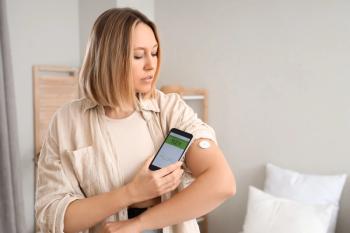
Diana Isaacs, PharmD, BCPS, BCACP, BC-ADM, CDCES, discusses the various errors patients experience when using CGM devices.

Stefanie Ferreri, PharmD, BCACP, FAPhA, discusses literature exploring OTC drugs, supplements, and devices used for non-prescription or self-care purposes.

Heather Johnson, PharmD, BCACP, CTTS, and Heather Roth, BSPharm, RPh, compare patients’ diabetes outcomes in clinical and community pharmacy settings.
Dan Krinsky, BS, MS, RPh, FAPhA, and Stefanie Ferreri, PharmD, BCACP, FAPhA, discuss new OTC product releases, recalls, and other updates pharmacists should be aware of.

Dan Krinsky, BS, MS, RPh, FAPhA, discusses the use of ChatGPT and artificial intelligence in assisting pharmacists for the management of OTC self-care products.

According to poison control data, many children aged 0 to 17 experience toxicity from over-the-counter analgesics like ibuprofen and acetaminophen.

Jasmine Cutler, PharmD, discusses the unique expertise pharmacists possess in order to counsel patients seeking any type of contraceptive product.

Lydia Newsom, PharmD, discuses how pharmacists can support patients using GLP-1s.

Discontinuing SSRIs or SNRIs during pregnancy did not lead to an increase in hospitalizations, outpatient visits, suicidal behavior, or sick leave use.

Nicole Cieri-Hutcherson, PharmD, BCPS, MSCP, FCCP, clinical associate professor at University at Buffalo, discusses how pharmacists and patients view injectable contraception.

Control-IQ+ was associated with a greater reduction in glycated hemoglobin compared to a continuous glucose monitor alone.

Don Roosan, PharmD, PhD, joined Drug Topics to explore the future of ChatGPT in pharmacy practice and how AI is being used to manage patients’ medication regimens.

Jade Ranger, PharmD, co-owner and pharmacist at the Prescription Shoppe, discussed administering vaccines during the COVID-19 pandemic.

A recent study found that continuous glucose monitors could help improve patient comfort, reduce resource use, and improve outcomes.

Researchers explored how social media advertising of lifestyle drugs contributes to the normalization of use for semaglutide, testosterone, and sildenafil.

George Van Antwerp, MBA, discusses how the role of the pharmacist will evolve with the integration of precision medicine into the health systems setting.

In an Axios analysis of US Senate lobbying disclosures from the past year, researchers explored the ongoing trends of how certain industries distribute influence among legislators.

Jeffery Goad, PharmD, MPH, president of the National Foundation for Infectious Diseases, reflects on the COVID-19 pandemic 5 years later.

The new approval is an oral suspension for patients with hypertension and left ventricular hypertrophy and for the treatment of diabetic nephropathy.

The top reported barriers to providing buprenorphine included regulatory and administrative, operational and attitudinal, and patient-related challenges.