

In a recap of his presentation at the American Diabetes Association’s 85th Scientific Sessions, Jon Easter, RPh, discussed the role of pharmacists in team-based diabetes care.
In a recap of his presentation at the American Diabetes Association’s 85th Scientific Sessions, Jon Easter, RPh, discussed the role of pharmacists in team-based diabetes care.

Taylor Watterson, PharmD, PhD, discusses how pharmacy technician burnout can impact pharmacy operations.
Rob Frankil, RPh, discusses how independent pharmacies in Pennsylvania are dealing with the impact of Rite Aid stores closing.

Pharmacist-led deprescribing can help reduce the number of medications a patient is taking in an effective way.

Interest in community pharmacy practice is declining as pharmacists seek roles with better work-life balance, greater autonomy, and more meaningful patient care opportunities.
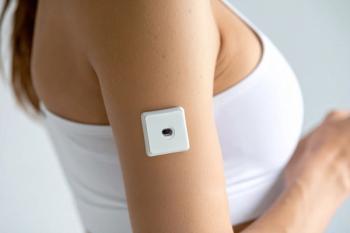
In an abstract presented at the American Diabetes Association 85th Scientific Sessions, researchers tested the effectiveness of an AI-driven program for improving glycemic control.

Pharmacists play a role in educating patients as well as making them feel more comfortable when utilizing opioid use treatment.

Rick Gates, chief pharmacy officer at Walgreens and chairman of the National Association of Chain Drug Stores, discussed the current status of retail pharmacies and the way they are reimbursed.

Pharmacists play a key role in medication for abortion care by providing clinical guidance, patient counseling, and advocacy.

Of those who do not support vaccines, 79% said a major reason for their opposition is that it should be the parents’ choice about whether to vaccinate their child, and 40% cite safety concerns.

Clinical pharmacists transform diabetes care by leveraging manufacturer-sponsored patient assistance programs to dramatically improve medication access.
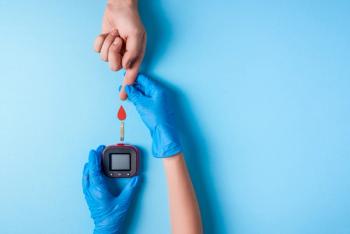
An ambulatory care pharmacist program in Washington State dramatically improved diabetes management by reducing A1c levels, increasing medication adherence, and providing comprehensive patient education.

ACIP also discusses COVID-19 epidemiology as well as safety and efficacy for the COVID-19 vaccines.
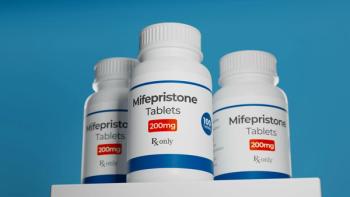
Results from the CATALYST trial showed patients who received mifepristone had a mean HbA1c reduction of 1.47%,

CD388 is being investigated as a prevention method for seasonal influenza in unvaccinated patients aged 18 to 64 years.

Pharmacy technicians must be recognized and empowered as essential, long-term professionals to improve workplace well-being, patient care, and pharmacy success.

Pharmacists are increasingly helping expand access to medication abortion by dispensing mifepristone and providing patient guidance, especially in underserved areas.
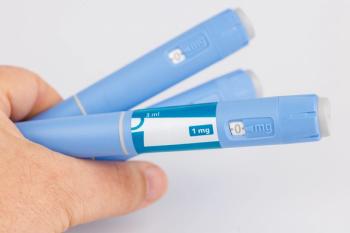
From 2019 to 2024, GLP-1 prescriptions among pediatric patients with type 2 diabetes increased from 12.3% to 60.9%.
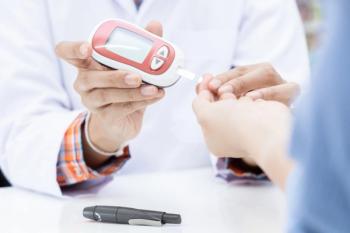
The most frequent barriers to access to glucagon include cost, patient health literacy, and insurance coverage.

Researchers explored the prevalence of obesity-related complications and obesity medication use in US children and young adults with obesity.

Researchers presented an abstract describing current racial disparities in CGM access and wear time to better inform quality improvement efforts.

Thimerosal is a mercury-containing compound that has been widely used as a preservative in some biological and drug products since the 1930s.
Revita is a procedure that modifies duodenal dysfunction and restores metabolic health, according to Fractyl Health.

This approval offers pediatric patients and caregivers the first subcutaneous option that can be administered at home.

Researchers explored the impact of a $0 copay program on hemoglobin A1c levels in patients with type 2 diabetes who were also insured by Blue Cross and Blue Shield of Louisiana.

In a retrospective study of obesity-related mortality, researchers explored US death trends before, during, and after the COVID-19 pandemic.

Data presented at ADA 2025 showed patients who received outreach from a clinical pharmacist were more likely to be prescribed safer diabetes regimens.
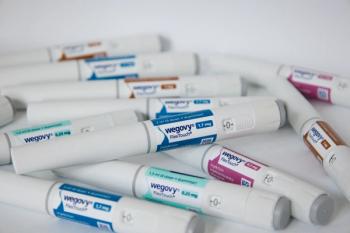
In a real-world, 6-month analysis, glucagon-like peptide-1 programs with obesity telemedicine behavioral programs resulted in benefits to weight loss and blood pressure.

Morgan Lee, PhD, MPH, CPH, and Scott Halperin, PharmD, from the Pharmaceutical Strategies Group, discuss how the role of PBMs in plan design is evolving.

When compared with adults 45 years and older, those 18 to 44 years are less likely to receive treatment or achieve target goals for cardiometabolic risk factors.