


Data show that TyG-WC, an index combining insulin resistance and central adiposity, is the only surrogate marker independently linked to osteoporosis.
Data show that TyG-WC, an index combining insulin resistance and central adiposity, is the only surrogate marker independently linked to osteoporosis.

Across 3 survey periods spanning 2017 to 2023, researchers assess various institutions’ knowledge of pneumococcal vaccination.

A cohort of Black and white Americans was asked about medical racism, misinformation, COVID-19 vaccine safety, and more.

Policy shifts in Medicare and advancements in automation are creating a massive opportunity for both revenue growth and clinical impact.

A year of ACIP turnover, schedule changes, and lawsuits has fractured US vaccine guidance—and tied pharmacists' scope and billing to a moving target.

The current crisis of staffing shortage is not just a labor shortage but a structural failure in how pharmacies recruit and value their technician workforce.
The expanded approval adds a self-administered autoinjector option and new label language tying LDL-C lowering to reduced cardiovascular risk.

Although DSCSA is often viewed as a regulatory burden, pharmacy leaders illustrate its necessity through harrowing case studies of supply chain failures.

Pharmacy leaders urge regional alliances, scalable clinical services, and data exchange to make pharmacist care reimbursable and routine.

Researchers assess the effects of pharmacist support in enhancing GLP-1 access in a primary care setting.

Pharmacists must navigate peptide and GLP-1 compounding legally by understanding 503A vs 503B rules.
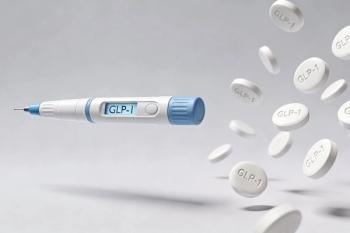
The year 2026 has brought a stark paradox to American pharmacy practice, and it’s affecting the most sought-after prescription drugs on the market.

The academy's updated influenza guidance arrives days after a White House executive order narrowed the recommended childhood vaccine schedule.

A new pharmacy-based program in rural America is potentially identifying and saving thousands of patients from cardiovascular disease.

As reimbursement rates continue to erode and operating costs climb, independent pharmacy owners are being forced to think like CFOs—not just clinicians.

Researchers explore the role of pharmacists in medication reconciliation and patient counseling.

New intranasal etripamil lets adults self-treat sudden paroxysmal supraventricular tachycardia episodes.
In part 2, McMahan contextualizes the recent FTC-Caremark settlement with some of the industry’s major reform efforts in recent history.

Researchers map the structural components that allow for a more patient-centered approach across pharmacist-led management.

Pharmacist-backed travel kit picks tackle motion sickness, dehydration, and stomach upsets for on-the-go relief.

Researchers aim to better understand the perspectives of providers amid ongoing transformations.
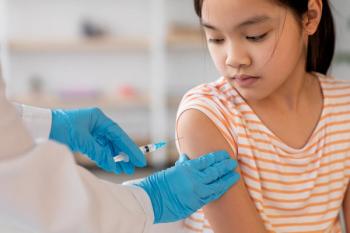
The White House and the American Academy of Pediatrics leave pharmacists navigating 2 competing sets of vaccine guidance for the upcoming season.

A decades-long research effort in mRNA-produced licensed vaccines targets influenza, respiratory syncytial virus, cytomegalovirus, HIV, and cancer.

Separating medical and nonmedical products leads to a variety of better inventory decisions in community pharmacies.

When it comes to pain management, safer options such as acetaminophen have emerged as better choices for older adults.

Community pharmacies deliver personalized travel medicine, helping travelers leave protected and prepared.

Researchers aimed to better understand the prominence of vaccine failures and breakthrough infections of pediatric pneumoccoal immunization.

Data show possible but insignificant reduction in hypertensive disorders of pregnancy after periconceptional or first-trimester GLP-1 exposure.
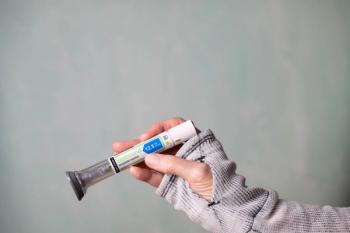
From their originally intended purposes to the growing indications showing promise in development, GLP-1 and GIP receptor agonists have evolved rapidly.

Community pharmacists deliver travel vaccine clinics, navigate entry rules, and update routine shots with new guidance on polio, measles, and chikungunya.