

Using the Q Methodology to account for subjectivity in responses, pharmacists self-identified their professional identities.
Using the Q Methodology to account for subjectivity in responses, pharmacists self-identified their professional identities.

New study data reveal the waning effectiveness of 2023-2024 COVID-19 vaccines, highlighting the need for ongoing vaccinations and pharmacist involvement.

Older adults with insomnia face heightened depression risks during inflammation, highlighting the need for targeted monitoring and treatment strategies.

In the researchers’ exploration of post-ICU nutritional care, they detailed the clinical pharmacist’s role and provided insights into how this role may evolve in the future.

Emphasizing the pharmacist’s essential role, researchers explored the causes, consequences, and clinical implications of polypharmacy.

This year’s conference is taking place from August 1 to 4 in Cincinnati, Ohio.

The new presentation of Shingrix will allow for easier administration.

Brooklyn Morgan, PharmD, discusses the transformation of pharmacy practice from a regulatory model to a more flexible approach.

Researchers conducted a review of pharmacist interventions and their ability to impact the outcomes of patients with COPD.

The 2 corporations formed the Bristol Myers Squibb-Pfizer Alliance and will be offering discounted Eliquis to eligible patients starting September 8, 2025.

Jennifer Clements, PharmD, FCCP, FADCES, BCPS, CDCES, BCACP, BC-ADM, discusses how pharmacists can collaborate with providers to optimize insulin therapy.

Thomas Sherrer, PharmD, emphasizes teamwork and technology in inventory management to enhance patient safety and reduce medication errors.

Researchers examined the factors attributed to self-reported resilience among diverse and community-dwelling adults during the COVID-19 pandemic.

Investigators find that the phase 2 trial supports the further development of MK-8527 as an HIV pre-exposure prophylaxis.

New research findings reveal amoxicillin's effectiveness varies in treating invasive pneumococcal disease, highlighting the importance of patient-specific factors in antibiotic therapy.

Researchers characterized trends in COVID-19 hospitalizations by race and ethnicity among children from March 2020 to September 2023.

Older adults are more likely to have chronic diseases, such as lung or heart disease, which makes them more susceptible to invasive pneumococcal disease.

Thomas Sherrer, PharmD, advocates for a team-driven, tech-enhanced approach to pharmacy inventory management, boosting patient care and operational efficiency.
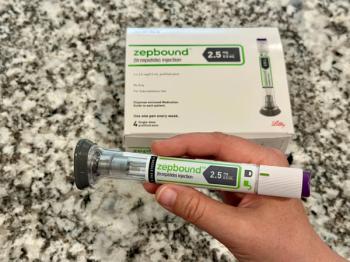
Recent study data showed that 45% of women treated with both therapies achieved at least 20% total body weight loss.

Jennifer N. Clements, PharmD, FCCP, FADCES, BCPS, CDCES, BCACP, BC-ADM, discusses how pharmacists can help patients manage insulin.

Researchers addressed the current trends in prescription drug use and spending among Medicare Advantage beneficiaries during the first year of clinician access to a real-time prescription benefit tool.

Investigators find that erenumab, a calcitonin gene-related peptide (CGRP) receptor monoclonal antibody, is not a preventive treatment for chronic cluster headache.

Researchers investigated the timing of hypertension diagnosis, exploring its association with medication prescribing and long-term cardiovascular outcomes.

Congressman Buddy Carter (R-GA) champions the PBM Reform Act of 2025, aiming to enhance drug price transparency and empower pharmacists in healthcare delivery.

Diana Isaacs, PharmD, BCPS, BCACP, BC-ADM, CDCES, discusses how diabetes advancements like GLP-1s and CGM have impacted the management of insulin.

Researchers assessed the difference between hidradenitis suppurativa and other skin conditions regarding the initiating events, inflammatory signature, and molecular and clinical features of each disease.

Investigators said they hope the findings contribute to greater awareness that premenstrual disorders can have long-term health consequences.

Researchers conducted a retrospective cohort study to understand pneumococcal disease patterns, vaccine coverage, and the overall burden of the disease in adults in France.

Pharmacists left the conference with fresh ideas, renewed confidence, and a strong sense that they're not in this alone.

The approval is based on the FINEARTS-HF (NCT04435626), showing that the drug achieved a 16% relative risk reduction of cardiovascular death and total heart failure events.