

Nonopioid pain relief medications include acetaminophen, nonsteroidal anti-inflammatory drugs, suzetrigine, and adjuvant pain management drugs.
Nonopioid pain relief medications include acetaminophen, nonsteroidal anti-inflammatory drugs, suzetrigine, and adjuvant pain management drugs.
GSK and Spero Therapeutics’ newly approved carbapenem could be a standard of care in adults with complicated urinary tract infections who prefer oral administration.

In part 2, Harini Bupathi, Esq, dives deeper into PBMs’ goals behind pharmacy audits and how that could all change with recent reform measures.

Pharmacists help patients stay safe with hydration, medication review, warning signs, and cooling resources.

Expanding pharmacy-based screening through a root-cause lens allows pharmacists to identify early dysfunction and improve outcomes.

Community pharmacies redesign workflows to address insurance barriers and deliver safer, gender-affirming care.
As health care spending and polypharmacy increase, researchers are exploring new ways to deprescribe medications, looking to pharmacists to fill in a gap.

A study examining naloxone sales found that retail OTC sales have been surprisingly limited despite improvements in access.

Pharmacy technicians expand vaccine access by handling inventory, billing, screening, and even injections.

With continued reports of gradually waning efficacy among pneumococcal vaccines, researchers look toward vaccine effectiveness among patients aged 18 to 64 years.

This decision marks a milestone in clinical pharmacy as it targets the underlying autoimmune destruction of pancreatic beta cells.

FDA clears first OTC CGM for children 2 years and older, expanding tracking beyond prescriptions for pediatric populations.

How pharmacists differentiate respiratory diseases at the counter.

Pharmacists close these gaps through screening and prevention for patients.

Independent pharmacies combat daily drug shortages with smarter inventory monitoring and diversified suppliers.

This schedule arrives at a time of unprecedented friction between leading medical societies and federal health agencies.

With social determinants of health impacting patient outcomes, researchers assess the viability of community pharmacy partnerships for addressing atrial fibrillation.

In a recent PSG-sponsored webinar, experts present on the growing push toward new-wave pharmacy benefit managers models in pharmacy benefits design.

Pharmacists help patients navigate options by assessing symptoms and selecting appropriate therapy.

Hydrogel-based platforms offer integrated strategies that simultaneously address infection, biofilm persistence, and impaired tissue regeneration.
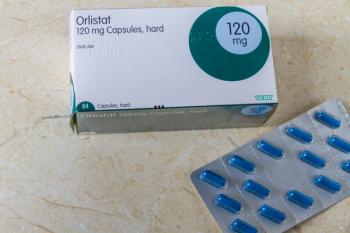
Despite the boom in prescription weight loss medications, the management of OTC alternatives is still paramount in improving patient outcomes and reducing adverse events.

Pharmacists lead respiratory triage amid overlapping allergy, cold, flu, and COVID-19 symptoms and tackle drug shortages and cardiometabolic care gaps.

In part 2 of our interview with Julia Vu, PharmD, she delves into the AI space within pharmacy practice while touching on the industry’s role in boosting rural health outcomes.

Negative pressure wound therapy has been a staple in hospital settings, but clinical data suggests its benefits are more significant than previously thought.

Lebrikizumab enables 8‑week maintenance dosing for severe eczema, reducing injections to 6 yearly while maintaining strong skin‑clearance results.

Reports state that everyone from “shadowy online vendors” to physicians and nurses is illegally promoting the drug before it receives proper FDA approval.
Phase 3 data show a once-weekly HIV pill maintains viral suppression like daily therapy, hinting at simpler long-acting care.

The decision represents the first new sunscreen ingredient permitted in the United States since the late 1990s.

Alongside malnutrition instances and measles cases, researchers review pneumonia disease burden and immune vulnerability across high-risk pediatric groups.
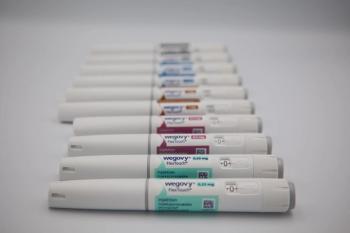
Based on data from the ADA’s 2026 Scientific Sessions, glucagon-like peptide-1s are continuing to revolutionize the cardiometabolic disease landscape.