

Gretchen Garofoli, PharmD, BCACP, CTTS, FAPhA, provides her perspectives on the federal vaccine overhaul and its recent reversal in a Massachusetts federal court.
Gretchen Garofoli, PharmD, BCACP, CTTS, FAPhA, provides her perspectives on the federal vaccine overhaul and its recent reversal in a Massachusetts federal court.
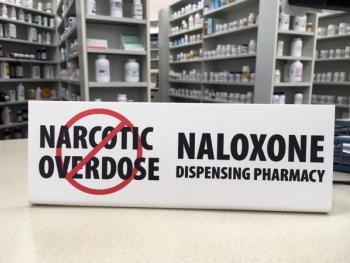
Harm reduction for pharmacists can include person-first language and stigma-free naloxone counseling that keeps patients with substance use disorder safer.

Many patients struggle with the everyday realities of staying on the medication, which can include uncomfortable adverse effects.

Mark Garofoli, PharmD, BCGP, CPE, CTTS, provides nuance and understanding to the FDA’s recent push to move, essentially, ‘every’ drug to OTC formulation.

The SUPPORT Act 2025 lets pharmacists prescribe buprenorphine for opioid use disorder, but DEA training and state rules shape access and new formulations.

Mississippi pharmacies strengthen prenatal care with monthly check-ins, vitamins, aspirin, screenings, and community support for high-risk moms.

Across the United States, trafficking also takes the form of labor exploitation in farms, factories, and remote industrial regions.

Pharmacists spot subtle abuse and sexual health red flags, avoid profiling, and respond safely with resources while protecting HIPAA privacy.


Many states are pushing pharmacies to move beyond the traditional dispensing role into more robust clinical care.

From proposed transparency rules to Medicare price negotiation programs, the stakes are high for pharmacy reimbursement and the sustainability of independent practices.

Annie Lambert, PharmD, BCSCP, discusses the key approaches to ensuring safe and effective dispensing of compounded GLP-1 medications.

Mark Cuban Cost Plus Drug Company challenges pharmacy benefit managers' opacity, expands affordable drug access, and supports community pharmacies.

Harps pharmacists reveal how smart workflow powers point‑of‑care testing, prescribing, and billing—scalable clinical services for regional chains.

Lani Bertrand, senior director of clinical marketing & thought leadership at Omnicell, discusses the consistent drivers of drug shortages in the US.

Matt Sample from Cencora discusses current DSCSA developments on the rise for pharmacy businesses in 2026—namely small dispensers that have been under exemption.

Pharmacists lead safer postsurgical pain care, using multimodal nonopioid options and tight opioid stewardship from pre-operation through home.

Pharmacies expand care with vaccines and birth control services—learn scope, billing tips, and tools to win younger, convenience-driven patients.

Jeff Goad, PharmD, MPH, president of the NFID, discusses the nuances behind COVID-19 vaccine updates and what it can mean for patients and pharmacies alike.

Direct contracting can boost transparent drug pricing and help independent pharmacies earn fairly while patients save on generic medications.

Buchanan Ingersoll & Rooney’s Dae Lee, PharmD, Esq, CPBS, and Lucas Morgan, Esq, provide a timely legal update regarding GLP-1 distribution and compounding.

As shrinking dispensing margins make it harder for pharmacies to keep their doors open on prescriptions alone, many are turning to clinical services as a lifeline.

Timothy Aungst, PharmD; Ravi Patel, PharmD, MBA, MS; and Smit Patel, PharmD, share their insights on the emerging direct-to-patient pharmacy model.

Pharmacists push for provider status and PBM overhaul as IRA policies squeeze pharmacies—what it means for access to vaccines, PrEP, and vital meds.

If signed by President Trump in time to avoid a government shutdown, HR 7148 has potential to enforce significant change in the prescription drug supply chain.

Community pharmacies continue to operate in unchartered territory regarding Medicare drug price negotiations as the new IRA statute becomes an unavoidable reality for business operations.

Alyssa Billingsley, PharmD, discusses the FDA’s prescription to over-the-counter drug development process and what it means for patients and pharmacies.

PQA releases the SDOH Resource Companion Guide, highlighting successful partnerships and strategies to address health-related social needs effectively.

Consultant pharmacists enhance long-term care by integrating vaccination strategies, educating staff, and addressing the unique needs of older adults.
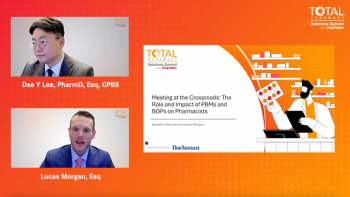
Buchanan Ingersoll & Rooney’s Dae Lee, PharmD, Esq, CPBS, and Lucas Morgan, Esq, explore the evolving world of PBMs within the supply chain as well as the role of state boards of pharmacy.