

Investigators believe triglyceride testing could improve viral sepsis risk more broadly based on study findings.
Investigators believe triglyceride testing could improve viral sepsis risk more broadly based on study findings.

Nicholas Rebold, PharmD, MPH, BCIDP, AAHIVP, explains how education eases inpatient switches, and how the protocol cuts costs and simplifies workflow.

Findings from a meta-analysis of over 125 clinical trials led the agency to require a class-wide label change.
Gilead’s current lenacapavir patent is what makes Dr Reddy’s Laboratories’ formulation tentative.

Mark Ey, RPh, from NCPA, joins to discuss the opportunities for independent pharmacies within the ACCESS to Pharmacy Care Program.
Researchers say this net loss is unlikely to reverse without state and federal policy changes, including PBM reform.
At the center of the debate are the growing number of manufacturer demands for claims data as a condition of 340B pricing.
Nicholas Rebold, PharmD, MPH, BCIDP, AAHIVP, discusses his team’s and patients’ experiences in a pharmacist-led antiretroviral initiative.
Zaid Fadul, MD, FS, FAAFP, introduces the Nolla Derm app, what it might mean for pharmacists and their patients, and where AI prescribing is headed in the future.

Among a collection of patients across 15 pharmacies, researchers assessed acceptability and satisfaction with pharmacist-led clinical services.
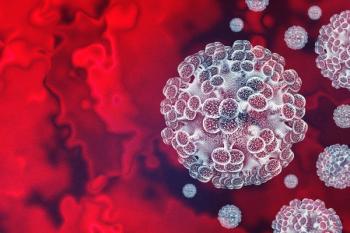
From expert sources and recent data updates to a look at cases amid the ongoing respiratory virus season, this is an updated look at 2026 measles outbreaks in the US.

Zaid Fadul, MD, FS, FAAFP, joins for part 2 to discuss what greater adoption of AI across health care ecosystems might mean for pharmacists, patients, and more.

For pharmacies competing with CVS and relying on Caremark to serve patients, the prospect of those businesses operating under separate ownership is significant.

Erin Albert of Mark Cuban Cost Plus Drugs explains how the Team Cuban Card offers transparent pricing and fair pay for independent pharmacies.
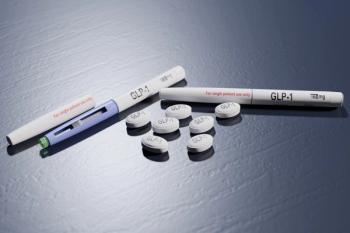
An abstract from the American Heart Association's Scientific Sessions 2026 reveals the continuous expansion of the GLP-1 medication class.

Matthew Crawford, PhD, of the University of Virginia, and Mario Danek of Qnovia explain what pharmacists can do now and what may come next.

The inquiry puts audit practices, including how pharmacies are selected for audit, proportionality, and pharmacy advocacy in focus.

Nolla Derm’s overseeing physician, Zaid Fadul, MD, FS, FAAFP, discusses the revolutionary AI technology that could transform how health care conducts prescribing practices.
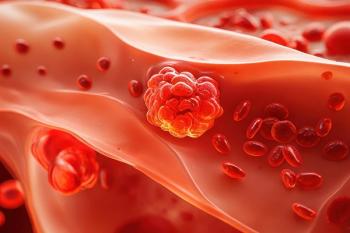
As COVID-19 vaccine guidance shifts, new data suggest vaccinated patients face no greater clot or death risk than with other respiratory infections.

Alyssa Eisenberg, PharmD, explores technology’s emerging role in the health care environment and how the pharmacist of the future’s day-to-day tasks might evolve.

In the final portion of our discussion with Kimberly Kue-Tsemo, PharmD, she explores the key developments that could be the most significant push toward reducing pharmacy deserts.

In the second part of our interview with a collection of pharmacists from various backgrounds, they delve into the current developments highlighting the future of the profession.

Phase 2 trial results for the investigational vaccine were presented at IDWeek 2026 in Washington, DC, as the phase 3 program is currently underway.

The finalized rule is another step in the right direction for pharmacies calling for reform due to underwater reimbursement and other PBM pressures.
Allison Schneider, MPH, provides a detailed update regarding pharmacies’ impact within Medicare price negotiations and the legislation further impacting businesses.

US pharmacies may experience increased requests and questions about peptides as FDA finalizes its rule on the emerging products.
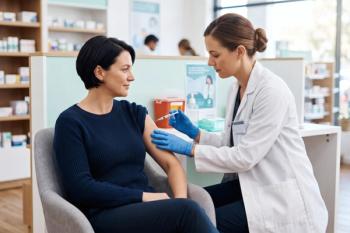
New survey data add to the evidence regarding the safe and effective route of administering both COVID-19 and flu vaccines simultaneously.
This episode breaks down how PBMs conduct inventory audits, the sourcing and timing issues that trigger recoupments, and how pharmacies can prepare and push back.

In part 2 of our discussion with Kimberly Kue-Tsemo, PharmD, she addresses the emergence of technology and the nuances behind its actual capabilities.

In part 2, Allison Schneider, MPH, discusses PBM and 340B reform that could compound pharmacies’ burden amid ongoing Medicare drug price negotiations.