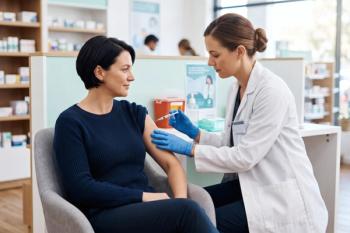
New survey data add to the evidence regarding the safe and effective route of administering both COVID-19 and flu vaccines simultaneously.
Phase 2 trial results for the investigational vaccine were presented at IDWeek 2026 in Washington, DC, as the phase 3 program is currently underway.
In a phase 2 trial among infants, Pfizer’s investigational 25-valent pneumococcal conjugate vaccine (25vPnC, or PCV25) produced serotype 3 antibody levels approximately 15-fold higher than the 20-valent PCV (Prevnar 20) after the fourth dose, according to results presented at IDWeek 2026.1
“These encouraging data build on more than 25 years of progress in protecting children from serious pneumococcal disease with PREVNAR vaccines,” said Annaliesa Anderson, PhD, senior vice president and chief vaccines officer at Pfizer, according to a news release announcing the results. “By expanding serotype coverage and applying next-generation technology to the historically challenging serotype 3, this candidate aims to extend the substantial reductions in disease that existing vaccines have achieved.”
The randomized phase 2 study evaluated a 4-dose regimen administered at 2, 4, 6, and 12 to 15 months of age, demonstrating safety, tolerability, and reactogenicity comparable with approved PCV formulations.1,2
READ MORE:
Beyond the 15-fold increase in serotype 3 antibody titers after the fourth dose, the investigational candidate induced functional opsonophagocytic activity across all 25 target serotypes.
By incorporating 5 newly added serotypes (15A, 23A, 23B, 24F, and 35B), the vaccine candidate is projected to protect against up to 90% of disease-causing pneumococcal strains in children under 5 years old.1,2
The clinical emphasis on serotype 3 stems from its thick capsular membrane and mucoid properties, which have historically blunted vaccine-induced immunity and allowed invasive pneumococcal disease (IPD) to persist despite widespread pediatric vaccination.3
Epidemiological data demonstrate that despite pediatric conjugate vaccines dramatically reducing vaccine-type infections through direct protection and population-wide herd immunity, non-vaccine serotypes have continued to cause significant morbidity. Serotype 3 remains a primary driver of severe pediatric pneumonia, empyema, and invasive complications, making higher antibody responses a vital clinical target for next-generation formulations.1-3
These novel vaccines, like PCV25, seek to address coverage gaps by offering expanded protection against emerging strains that cause invasive disease. Phase 3 pediatric trials are already underway to evaluate thousands of infants receiving the expanded 25-valent series, establishing a foundation for potential regulatory review and future national immunization strategies.1,3
As novel vaccine candidates advance through clinical development, community and clinical pharmacists remain central to ensuring high vaccination coverage among young populations. Systematic reviews of pediatric vaccination models reveal that pharmacist interventions, including routine screening, family education, electronic health record prompts, and direct administration, lead to measurable increases in childhood immunization rates.4,5
By reducing missed opportunities during clinical visits and expanding access through extended pharmacy operating hours, pharmacists help maintain community protection against vaccine-preventable illness.
Professional organizations such as the Pediatric Pharmacy Association advocate for expanding pharmacists' authority to administer routine pediatric vaccines to children aged 3 years and older.4
Integrating pharmacists into pediatric specialty clinics and community settings has been shown to improve up-to-date immunization rates for high-risk pediatric cohorts, such as children with chronic conditions or organ transplants. Furthermore, full pharmacist access to state immunization information systems enables comprehensive tracking and timely reminders for missing doses.4,5
The introduction of higher-valency vaccines coincides with ongoing adjustments to national childhood immunization schedules and regulatory guidance. Federal policy updates in 2026 have shifted several pediatric vaccine recommendations toward risk-based administration and shared clinical decision-making frameworks.6
These policy evolutions emphasize the need for clear communication between health care providers and families regarding disease risks and vaccine benefits.
Pharmacists are uniquely situated to educate caregivers, clarify evolving Advisory Committee on Immunization Practices (ACIP) guidance, and reinforce pediatrician recommendations. By staying informed on updated schedules, serotype coverage profiles, and administration protocols, pharmacists continue to serve as essential partners in safeguarding pediatric public health.4
“If successful, [this candidate] could help provide children with the broadest protection against IPD to date,” concluded Anderson, according to the release.1
READ MORE: