



















































NACDS is urging the Drug Enforcement Administration to make electronic prescriptions for controlled substances mandatory.
NACDS is urging the Drug Enforcement Administration to make electronic prescriptions for controlled substances mandatory.
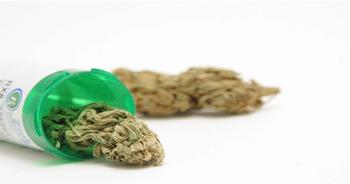
A systematic review of medical cannabis and cannabinoid use in oncology care demonstrated varied results.

A recent study included interviews with pharmacists in rural Kentucky counties regarding pharmacy-level barriers to opioid use disorder treatment.

In 2010, nearly 43 million of adults living in the United States, or approximately 20%, took aspirin a minimum of 3 times per week for 3 months or more.

Obesity may contribute to incident long-term prescription opioid use due to underlying pain conditions.

Combating the opioid epidemic is a popular cause, and many organizations, government entities, and health care groups have responded.

Advil Dual Action, an ibuprofen and acetaminophen fixed-dose combination, has been approved as an OTC product for pain relief.

Regardless of naloxone availability, rural pharmacies can serve as an educational resource for individuals seeking access to the medication.

Patients receiving methadone treatment are at most risk of overdosing during the first 4 weeks of treatment initiation and following the end of treatment.

Special consideration for pain management in patients with cancer.

A UMass Memorial telehealth-based program connects patients with credentialed clinicians who can prescribe medication-assisted treatment for opioid use disorder.

An Ohio law allowing pharmacists to dispense naloxone without a prescription was linked to a significant increase in naloxone dispensing rates, especially in low-employment areas.

Patients with chronic pain using medical cannabis reported less nighttime awakenings initially, but tolerance may build with frequent use.

A new CDC report found that benzodiazepines were prescribed at 27 annual physician visits per 100 adults from 2014 to 2016.
A preemptive pain management program involving OTC medications can help reduce the need for opioid prescriptions following certain surgeries.

The FDA Committees voted against recommending approval of Nektar Therapeutics' oxycodegol.

The opioid crisis continues to be one of the worst public health crises that the United States has ever seen.

A study evaluated the ability of untrained individuals to use different forms of naloxone administration.

In a new lawsuit, CVS, Walgreen, Rite Aid, and other major pharmacy chains said that they are not to blame in federal opioid litigation

Practical tips to help keep patients safe.

A new study shows increases in the misuse of non-opioid medications among US adults coinciding with decreases in opioid prescribing.

What the law says about pharmacists’ role in the opioid crisis-and how to protect yourself.

Evidence-based framework is an urgent need, study says.

Strategies include nonpharmacologic therapies, nonopioid medications, and opioid rotation.
Practical tips to help keep patients safe.