












































Study finds growth in three years after CDC guideline for primary care clinicians.
Study finds growth in three years after CDC guideline for primary care clinicians.
Patients with central sensitization struggle more with pain and quitting opioids

Ruling comes in cases with prison sentences for convictions over prescription drugs.
Understanding headaches and their various treatment options can help pharmacists counsel patients at the counter.
Patients may use drugs for reasons or time frame other than intended by prescriber, according to study.
New research presented at the 2022 American Psychiatric Association Annual Meeting evaluated program to help address the opioid epidemic.

As more states permit the use of medical marijuana, the role of pharmacists in the dispensary setting is set to grow and evolve.
OPNT003 is a nasal spray that works to reverse respiratory depression from synthetic opioid overdose.

Data from a cohort of 5000 patients indicates that NSAID use may negatively effect clodronate therapy in older women.
The agency is considering dispensing mail-back envelopes with outpatient opioid analgesic prescriptions.
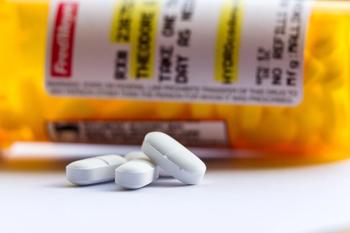
The deadline to submit comments is April 11.
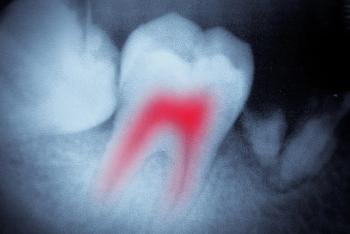
Mouth discomfort can be especially irritating, but there are some products on pharmacy shelves that might be useful.
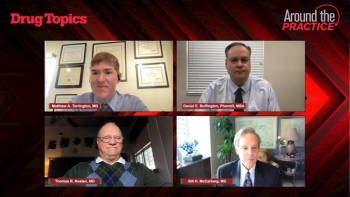
The panel concludes our discussion with the role healthcare providers play today in the treatment of opioid overdose and what needs to change for the future.
Our experts provide their expertise on Patient Case 2 and how they would proceed with treatment.
Dr Torrington moves on to Patient Case 2, a 49-year-old man found semi-responsive with a suspected opioid overdose.

Combining nonopioid analgesics and nonpharmacologic pain management options with opioid medications can lead to better patient outcomes.
The group discusses Patient Case 1 and how they would treat in this scenario.
Matthew A. Torrington, MD, introduces our first patient case, a 27-year-old man presenting with injuries from a car accident.
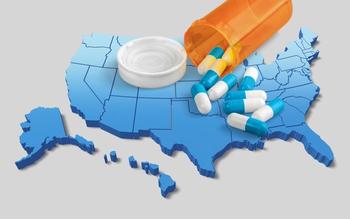
Results highlight the impact of education on patient understanding of potential adverse events.
Keeping OTC products near the pharmacy counter creates an opportunity for patient counseling and education.
Patient confidence in CBD products—and pharmacist ability to provide counsel—increased during the study.
In rural settings, patients and providers are frequently reading from different scripts when it comes to managing these conditions
A group of specialists discuss overdoses and treatment with naloxone so family and caregivers are prepared for the future and for treatment.
Dr Kosten describes how to deal with a fentanyl overdose.
Our panel of doctors and pharmacists introduce naloxone, an opioid antagonist, as an option when treating opioid abuse or overdose.