
















































See what's trending in pharmacy with a preview the Drug Topics March issue.

See what's trending in pharmacy with a preview the Drug Topics March issue.

Since changes in vaccine composition can sometimes lead to confusion or misinformation, effective communication is crucial to promote vaccine uptake.

In order to provide the best care, it’s crucial that pharmacists stay up-to-date on the latest guidance and data for flu, COVID-19, and RSV—even when that information is constantly changing.

These OTC products are recommended to address a variety of symptoms that occur during cold and flu seasons.

Drug Topics talked with Gregg Sylvester, MD, chief health officer and vice president of medical affairs at CSL Seqirus, about what we can learn from this unique situation to improve future vaccine development and distribution.

In response to a surge in cases of COVID-19, flu, and RSV, hospitals are reinstating mask guidelines to avoid adverse capacity outcomes and staffing shortages seen in prior years.

Patients hospitalized for either virus had an increased risk of death, hospital readmission, and health problems in multiple organ systems over 18 months of follow-up.

Immunizations against influenza, COVID-19, and RSV are lower than they were this time last year, and hospitalizations have increased across all age groups.

While either vaccine offers some protection, having both vaccines offers the strongest level of protection against hospitalization and severe complications like MIS-C, and death.

This season marks the fourth to be classified as high severity since the 2009 influenza A(H1N1) pandemic.

Study authors recommend that healthcare personnel consider prioritizing influenza vaccination for patients with recent cardiovascular diseases (CVDs) in light of new evidence.

Moderna plans to begin a phase 3 trial of the combination vaccine this year.

As the Southern Hemisphere sees a mixed flu season, uncertainty looms for those in the North.

Standout updates include a relaxed recommendation for patients with a history of egg allergies, and that all available influenza vaccines for the 2023 to 2023 flu season are quadrivalent.

The mRNA-1010 vaccine generated a powerful response against 4 influenza virus strains compared to traditional flu shots.

A 510(k) clearance, or a Premarket Notification, requires device manufacturers to notify the FDA at least 90 days ahead of registration with their intent to market a medical device.

Leading health organizations are urging those with diabetes and other chronic conditions to get the influenza vaccine.

In a report from the Centers for Disease Control and Prevention, it was shown that symptoms and hospitalizations associated with influenza this season are higher among children than adults.

With the respiratory season in full swing and COVID-19 continuing to infect, knowing the basics of the common cold, influenza, COVID-19, and respiratory syncytial virus can help ensure patients get the right care.

Research on last season’s influenza vaccine efficacy bodes well for patients who have gotten their flu shot this season.
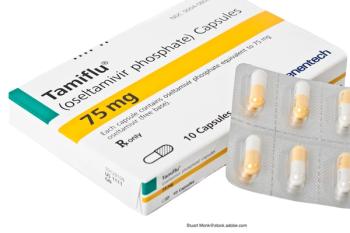
Reports of localized supply issues with Tamiflu have left some providers wondering how to best prioritize who gets the antiviral during a rough flu season.

Stay on the nice list with these tips to help stop the spread of winter respiratory viruses.

Take a look back at our most popular respiratory coverage for 2022.

Flanked by RSV and COVID-19, flu season started early and rates of transmission are high throughout the country.

Although it’s safe and recommended to co-administer these shots, research finds a reduction in flu vaccine uptake the following year.