






























Researchers explored the impacts of natural bioactive compounds for the treatment of acute pancreatitis.
Researchers explored the impacts of natural bioactive compounds for the treatment of acute pancreatitis.

Kathryn Litten, PharmD, discussed the pharmacist’s role in helping patients manage metabolic dysfunction-associated steatotic liver disease.

Kathryn Litten, PharmD, joined Drug Topics to discuss how pharmacists can counsel patients with metabolic dysfunction-associated steatotic liver disease.

Researchers observed the use of a discrete event simulation using non-invasive tests for patients with nonalcoholic steatohepatitis.

Researchers assessed the importance of a nutritious diet and the role pharmacists play in providing dietary management services.

Researchers explored literature on the health benefits of the 4 main functional dietary components—prebiotics, probiotics, synbiotics, and postbiotics.

Researchers explored the disease activity of patients with axial spondylarthritis after various modifications to their diets.

Researchers aimed to address the associations between gout and ischemic events, specifically ischemic colitis.

Researchers explored the benefits of tai chi and prevalence of liver disease in patients with osteoarthritis.
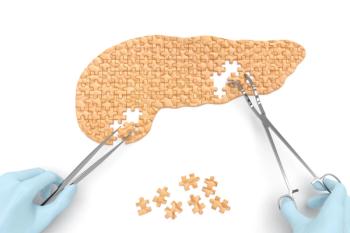
Researchers analyzed the impact of the COVID-19 pandemic on outcomes for patients with pancreatic cancer living in England.

Researchers compared the racial and ethnic representation of participants in food allergen trials with patients who experience food allergies.
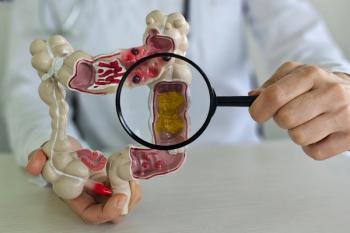
Researchers attempted to understand the evolving epidemiology of gastrointestinal stromal tumors in major organ sites.

Researchers from Celltrion USA presented their post hoc analysis from the LIBERTY studies at the American College of Gastroenterology 2024 Annual Scientific Meeting.

Researchers addressed the gut-first hypothesis of Parkinson disease by identifying how mucosal damage impacts risk of development.

Johnson & Johnson announced results from its phase 3 GRAVITI trial exploring guselkumab’s results in subcutaneous (SC) induction and maintenance therapy for treating Crohn’s disease.

Researchers analyzed the lack of prevention and treatment options for managing drug-induced liver injury.

Researchers addressed the association between sleep patterns and digestive diseases, as well as patients’ genetic likeliness of developing future digestive complications.

In a comprehensive literature review, researchers addressed the impact cardiac surgery has on gastrointestinal outcomes.

In a systematic review, researchers explored the role of clinical pharmacists within a multidisciplinary team treating patients with inflammatory bowel disease.

Guselkumab is currently approved by the FDA to treat adults with moderate to severe plaque psoriasis, adults with active psoriatic arthritis, and adults with moderately to severely active ulcerative colitis.
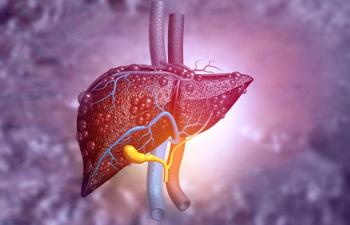
Investigators compared semaglutide and other glucagon-like peptide-1 receptor agonists with dipeptidyl peptidase-4 inhibitors.

Whereby gastroparesis can hinder the absorption of oral medications in the stomach, Tonix Pharmaceuticals is promoting alternative migraine treatments that bypass the digestive system.

The approval offers a first of its kind treatment option for patients living with nonerosive GERD.

Ustekinumab-ttwe, a biosimilar to ustekinumab (Stelara) is expected launch in the US in February 2025.

Struggling with gas, bloating, diarrhea, or other stomach issues? Don’t let digestive discomfort hold your patients back—check out these OTC products to get them feeling their best again.