


















































Although further studies are needed to confirm the long-term effects, recent studies have shown the infliximab biosimilar to be a safe, effective, and cost reducing treatment for inflammatory bowel diseases.
Although further studies are needed to confirm the long-term effects, recent studies have shown the infliximab biosimilar to be a safe, effective, and cost reducing treatment for inflammatory bowel diseases.

The American Gastroenterological Association has released updated guidelines for treating irritable bowel syndrome with constipation (IBS-C).

Treatments, including some biosimilars, may soon be offering relief to patients.

Pharmacists who encounter patients with severe gastrointestinal complains may want to stay abreast of ongoing issues with the meal delivery service.

New options are being developed for conditions including psoriatic arthritis, ulcerative colitis, and asthma.

High-dose haloperidol and aprepitant were both associated with emergency department discharge.

Seniors prescribed multiple courses of antibiotics were at greater risk for IBD.

Patients taking high-risk antibiotics and a probiotic capsule had a lower risk of healthcare-associated C diff infections.

Reducing perioperative antibiotic use can mitigate this risk.

Concerns were raised about the effectiveness of the vaccine in patients on immunosuppressive therapies.

Patients report that these conditions have become more challenging to manage over the past year.

Postoperative pain can require opioids, which may lead to opioid-induced constipation.

Patients experiencing IBS were more likely to self-report a non-celiac gluten sensitivity.

A deep dive for pharmacists into this frequently debilitating disorder
Migraine is highly prevalent in people living with IBS.

Tremfaya is a combination of guselkumab and golimumab.
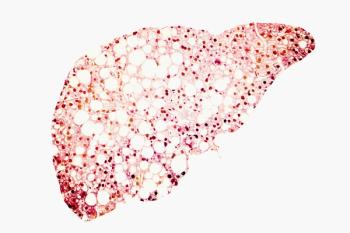
Resmetirom also has potential as a treatment for NASH.


A clinical trial looks into whether the use of open-label placebos can lead to better outcomes for children and teenagers with functional abdominal pain or irritable bowel syndrome.

Many pediatric opioid prescriptions are high risk and leave children at risk of overdose and side effects like constipation.

A meta-analysis in JAMA Pediatrics looks at whether vaccines can prevent rotavirus gastroenteritis.

A study published in The BMJ revealed a link between ultra-processed foods and a higher risk of IBD.

The results of a new study show that constipation prevalence was 2- to 3-fold higher in pregnant women and women postpartum.

What pharmacists should know about constipation.

Individuals with irritable bowel syndrome with constipation indicated that although their symptoms worsened during the pandemic, they did not seek medical care.