











































Take a look back at our most popular biosimilars coverage for 2022.
Take a look back at our most popular biosimilars coverage for 2022.
Biosimilar medications stand to significantly increase cost savings for patients.
From biosimilars to artificial intelligence, these are the trends poised to take community pharmacy by storm.
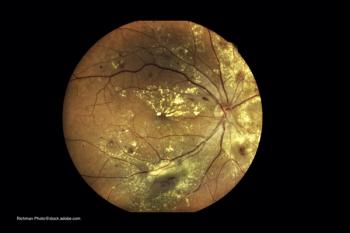
The authors noted that the proportion of patients losing fewer than 15 letters from the baseline BCVA score in the study eye was comparable between the two groups.
The review focused on Remicade (infliximab) and Enbrel (etanercept). The annualized discontinuation rate was 21% among patients who had undergone nonmedical switching to biosimilars. However, the rates were similar to those found in some separate analyses of patients on reference biologics.
Several provisions in the law are designed to protect and foster the biosimilar market. But some representatives of the sector see CMS drug price negotiation as a threat to profit margins.
Some companies are using the interchangeability designation as a marketing ploy.

Although further studies are needed to confirm the long-term effects, recent studies have shown the infliximab biosimilar to be a safe, effective, and cost reducing treatment for inflammatory bowel diseases.

New research should give expectant mothers some peace of mind.

Humira may face competition from multiple generics next year, but an octet of other biologics may also see competition this decade.

Six are currently on the market and more are in the pipeline.
The biosimilar has a list price 40% less than its reference product.
Infliximab biosimilars have been available since 2016.
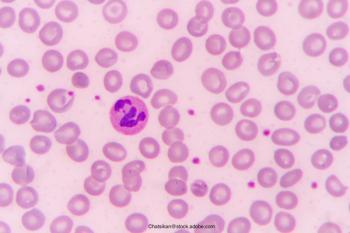
The average sales price (ASP) for biosimilars of Neupogen has declined more than 50% since these lower cost agents began to be sold in 2015.
Pharmacy benefit managers can help health plans understand when to best leverage and align to biosimilars and other cost-effective treatments.
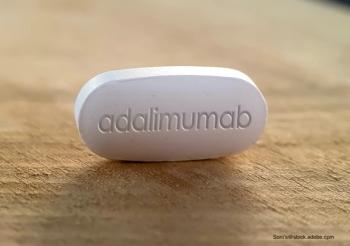
Circle 2023 on your calendar. That's when as many as 11 biosimilars to Humira are headed for the US market.
Efforts to improve education on biosimilars are a start, but payer policies must catch up to ensure real change.

Gaps exist in knowledge about interchangeability and substitutions.
A new report by Cardinal Health includes research findings on insulin biosimilars use among retail pharmacists and physicians.
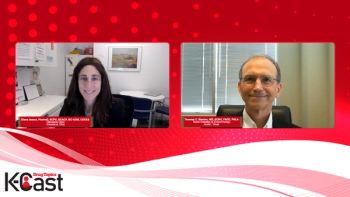
Diana Isaacs, PharmD, BCPS, BCACP, BC-ADM, CDCES, and Thomas C. Blevins, MD, ECNU, FACE, FNLA, review FDA-approved basal insulins for the management of diabetes.
Experts in diabetes management discuss data from key clinical trials—INSTRIDE 1, INSTRIDE 2, and INSTRIDE 3—and evaluate the use of insulin glargine-yfgn as an interchangeable product with biologics.
Thomas C. Blevins, MD, ECNU, FACE, FNLA, provides an overview of biosimilars and discusses interchangeability status among biosimilars such as for insulin glargine-yfgn for the management of diabetes.
2021 was an outstanding year for biosimilar medications, as they increased market share and adoption by healthcare providers and the first biosimilar and interchangeable insulin was approved by the FDA.
By July 2021, the FDA had approved or tentatively approved 470 generic versions of medications.
Drs Thomas C. Blevins and Diana Isaacs share insight on unmet needs and the future treatment landscape of biosimilars in the treatment of patients with diabetes.