Data assessing Novo Nordisk’s investigational diabetes and obesity medication were presented at The Menopause Society's 2026 Annual Meeting.
Following an FDA announcement on its deeper look into peptide restrictions, Christopher Shade, PhD, joined to provide insights on their functions for metabolic health and more.
With glucagon-like peptide-1 (GLP-1) medications continuing their rise in popularity amongst the general public because of their weight-loss effects—among other functions—the pharmaceutical community has since turned toward the use of peptide molecules to improve overall health outcomes.
“GLP-1s can be fantastic, but it totally normalized the needle for people,” Christopher Shade, PhD, CEO and founder of Quicksilver Scientific, told Drug Topics®. “Then, they’re like, I still got this injury, and I can't play tennis, and all these things hurt. Then they start getting into BPC and [other peptides].”
With lawmakers and medical experts alike increasingly looking toward peptides for improving health outcomes, the FDA has since decided to review these molecules deeper, which could result in laxed restrictions on peptide access and compounding. However, many experts also agree that these substances come with a myriad of health risks.
In a recent interview, Shade joined Drug Topics to provide his insights on the recent “peptide craze” and what pharmacists and their patients can look out for as these conversations continue.
READ MORE:
Drug Topics: Can you briefly explain what peptides are and what this current “peptide craze” is all about?
Christopher Shade: Peptides are signaling molecules that biology uses to turn on and off different processes; real potent in the way that it signals them. We’ve been going after drugs that sort of help you stimulate these processes, maybe they get you to make some peptides, and we do supplements. It kind of encourages this stuff. But the peptides go right in. They might turn on a healing response. They might turn on like Ozempic (semaglutide) does—those are analogs of molecules you make. They’re just even stronger on these triggers for appetite reduction, for metabolism. They’re stronger than the ones you're releasing even.
Ozempic was an analog of a toxin from gila monster—the big dragon-like lizards. Those are able to not eat for a long, long time and be fine. And then food comes and they get hungry, and they go and eat. You've got the weight-loss ones that made everything popular, but peptide has been around for a long time. In fact, insulin was the first peptide that we use, and that’s stimulating insulin productions but crosses to get sugar into the cells and a number of different other things, like oxytocin is a peptide.
Now, you’ve got all these peptides in the health world, things like BPC-157. That's actually part of a larger protein made in the stomach, made for repairing the stomach lining, but it has effects on repair processes throughout the body. You’ve got things like copper GHK. This is something you make in your body, but it goes down with time, and that's a repair thing. It also controls a lot of genes that turn on and off. TB-500 is part of something called thymosin beta four, which is responsible for repair mechanisms. There are ones for your immune system that gets it back working the way it's supposed to be. That’s a crucial thing when we age.
All of a sudden, in functional and regenerative medicine, we’ve got these tools that probably the strongest tools before them were hormones. [It’s] something that really works on a high level in the body and creates a cascade of reactions downstream that do things. Whereas we used to plug in downstream and try to affect these, they're super powerful. And then there’s ones that make growth hormone secretion. Some of them are super safe, if you get them made right. Then, we’ll get into things like the gray market and where you get these peptides, but they’re super powerful, and they have a lot of applications.
Drug Topics: This phenomenon has translated to a massive spike in people self-injecting substances for fitness and recovery. To what extent do you think the normalization of injectable weight-loss drugs like Ozempic has fueled this trend?
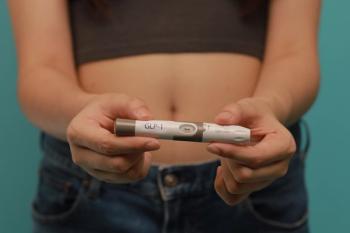
Christopher Shade: Oh, big time. The GLP-1s, you can’t underrate them. That’s going to be a major metabolic shift in this country. There's going to be a major shift in long-term chronic illness care—things like diabetes and all the complications that come from that metabolic dysfunction—are going to disappear quite a bit as a result. You think back 20 years ago, who's self-injecting? Only diabetics. My son was a type 1 diabetic, and it was just not a normal thing to be injecting. And now, everybody’s doing it.
I remember when it came out, and I was trying tirzepatide just to see what it was like. I went to a family reunion. My sister and cousin sat next to me. They put a club sandwich and fries in front of me, and I just looked at it, and they noticed I didn't even do anything. They're like, ‘What do you see?’ I said, ‘I see a bunch of squiggly yellow lines, and I know that's a club sandwich.’ I ate a quarter of it, and they ate my fries. I mean, this stuff really works.
When you lay too heavily on it, people rely on it as a one-hit-wonder, and they're not changing their diet, their supplementation. They’re not adjusting as you burn off all this fat. You have these fat-soluble toxins that come out, and they can wreak havoc. You may get malnourished because you start eating a cracker with a piece of cheddar on it for dinner. But if you take these things into account, the GLP-1s can be fantastic. But it totally normalized the needle for people. Then they’re like, I still got this injury, and I can't play tennis, and all these things hurt. Then they start getting into BPC and things like that. I'm glad it happened. I don't like where everybody sources things, but it was catalyzed by that normalization of the needle and the effects it got.
READ MORE:
Are you ready to elevate your pharmacy practice? Sign up today for our