

Now Playing
Household and sexual contacts of patients with hepatitis B should be vaccinated regardless of contact type, with post-vaccination antibody testing reserved for those at highest ongoing risk.
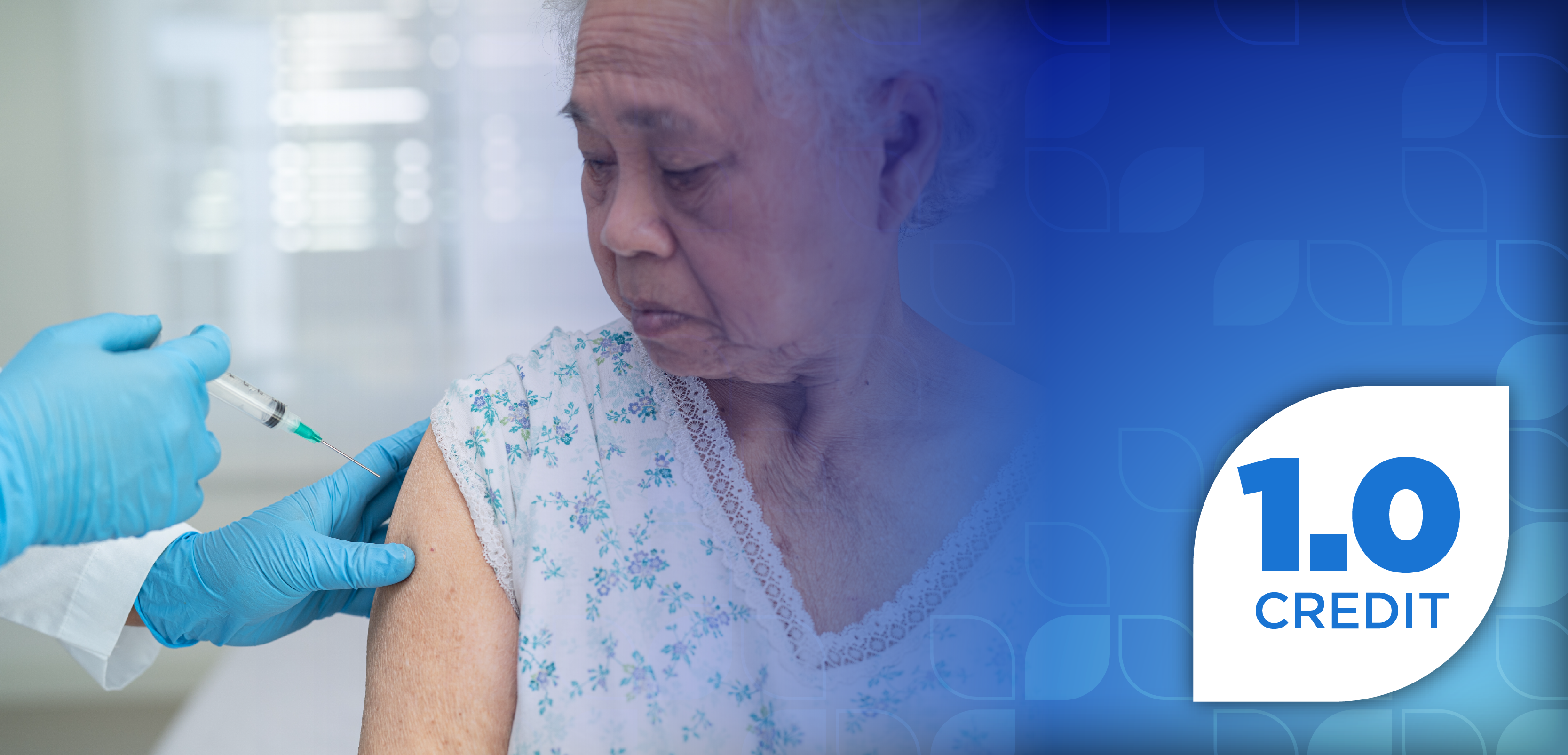
Vaccination is the most critical intervention for preventing hepatitis B transmission to the close contacts of infected patients, and all household members who are nonimmune and uninfected should receive the hepatitis B vaccine regardless of the nature of their contact, David Ha, PharmD, lecturer of medicine at Stanford University School of Medicine, said. Sexual and needle-sharing contacts should also be vaccinated even if they don't share a household. Importantly, routine interactions such as hugging or sharing food and beverages are not transmission routes, and pharmacists should take care to avoid stigmatizing patients with hepatitis B when discussing these precautions.
Post-vaccination antibody titer testing is not necessary for all contacts but is recommended 1 to 2 months after completing the vaccine series for those at highest ongoing risk, specifically sexual partners and needle-sharing contacts. A hepatitis B surface antibody titer of greater than 10 milli-international units per mL is considered protective. Those who fall below this threshold are considered nonimmune and require revaccination. In these cases, switching to Heplisav-B is preferred over the aluminum-adjuvanted vaccines Engerix-B or Recombivax HB, given its superior immunogenicity.
If Heplisav-B was used for the initial 2-dose series and immunity was not achieved, a third dose is recommended at least 6 months after the first. Contacts who remain nonimmune after 2 full vaccination series should not receive further vaccination, as additional doses are unlikely to be effective. Instead, they should be counseled on preventive measures such as barrier protection and avoiding shared personal hygiene items and advised seeking hepatitis B immunoglobulin within 24 hours—and no later than 14 days—following any blood or body fluid exposure.