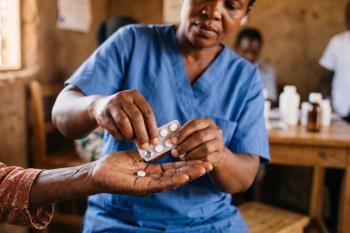
Pharmacies can play a crucial role in access to care by providing harm reduction, sexually transmitted infection (STI), and hepatitis C virus (HCV) services, according to a new study published in the Journal of the American Pharmacists Association.1 The findings show that by offering patient incentives, pharmacies can increase testing and detection of infectious diseases among individuals who might not otherwise seek care.
Together, the epidemics of substance use disorder (SUD), HIV, HCV, and STIs create a syndemic, whereby the presence of one condition increases the risk of acquiring or transmitting another. For instance, individuals with SUD are more likely to engage in risky behaviors such as sharing needles or unprotected sex, which are primary transmission routes for HIV and HCV.2 The alarming surge in drug overdose deaths in the United States, increasing by over 1000% from 2013 to 2019, underscores the syndemic’s threat.3
Put It Into Practice
Incorporate these strategies into your pharmacy practice to improve patient outcomes.
- Offer comprehensive harm reduction services, such as syringe exchange, naloxone distribution, and STI testing and treatment, to address the needs of vulnerable populations.
- Leverage patient incentives to enhance disease testing and detection, especially among individuals who may be reluctant to seek care in traditional health care settings.
- Foster strong collaborations with health care providers to ensure that patients receive timely, effective, and seamless treatment for substance use disorders, STIs, and other health conditions.
However, the risks of the syndemic are not evenly distributed. The rates of morbidity and mortality from the syndemic are far higher in American Indian/Alaska Native (AI/AN) people than in any other race. Although the syndemic requires greater capacity from health systems to respond, the ability to do so is restricted by a lack of human resources, especially in rural areas.
READ MORE: Q&A: Impact of Stigma on Pharmacists with SUD, Importance of Mental Health Care
The Indian Health Service (IHS), a federal agency serving around 2.6 million AI/AN, operates a largely rural health care network with well-documented provider shortages. In many IHS clinics, pharmacy-based services have become essential due to chronic understaffing. To address the need for harm reduction and express STI services among patients with SUD, an IHS hospital in rural Minnesota serving tribal communities integrated these services into its pharmacy.
The hospital identified the need for these services due to a correlation between SUD and syphilis diagnoses, a rise in overdose cases in the emergency department, and the reliance of many patients without primary care providers on the ER for general medical services. Tribal counterparts and internal medical staff advised the design of the program.
Harm reduction and STI services were offered at the pharmacy window without an appointment, referral or intake form. A pharmacist or student pharmacist offered participants a card with an ID number, as well as education and materials relevant to the patient’s situation, in a private counseling room, at no cost to the patient. Education included risks and safe practices when injecting or assistance scheduling a medical appointment; materials included condoms, naloxone, syringes, or a sharps container. The pharmacy later introduced patient incentives.