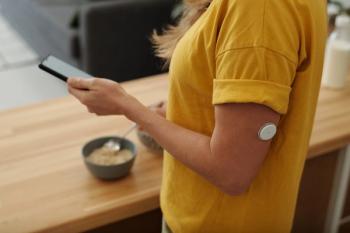
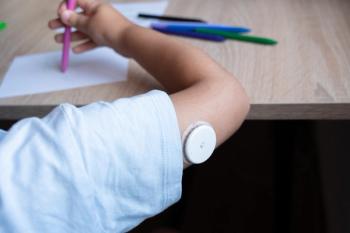
Intermittently scanned continuous glucose monitoring (isCGM) can help reduce hypoglycemia unawareness and the number of hypoglycemic episodes in patients with type 1 diabetes (T1D), according to new research published in the journal Diabetes Research and Clinical Practice.1 The authors noted that isCGM can also be cost-saving compared to self-monitoring of blood glucose and real-time CGM (rtCGM).
CGM technology has led to improvements in diabetes management for many patients. Research has shown that the devices significantly improve glycemic control, average blood glucose levels, and HbA1c levels.2 One form of the technology is isCGM, which has proven to be beneficial for various patient populations, such as those who have prediabetes or have difficulty performing fingersticks.3 While studies have shown that rtCGM reduces hypoglycemia unawareness, there is a lack of data on if isCGM can also help in this respect.
Key Takeaways
- A study found that using intermittently scanned continuous glucose monitoring (isCGM) led to a 45.8% reduction in hypoglycemia unawareness in patients with type 1 diabetes (T1D) over a 2-year follow-up period.
- Patients using isCGM showed significant improvements in glycemic parameters, including reduced glucose variability, time in low glucose range, and the number and duration of hypoglycemic episodes.
- The study also highlighted a reduction in hypoglycemia-related fear among patients using isCGM, alongside a decrease in total insulin doses, suggesting an overall enhancement in the quality of life and diabetes management for these patients.
“Hypoglycemia is an important barrier for glycemic control in people with type 1 diabetes,” the authors wrote. “Impaired awareness of hypoglycemia (IAH) is very prevalent condition on these patients and is associated with a higher risk for severe hypoglycemia conferring a burden of mortality, morbidity and costs…[However] previous studies have been unable to demonstrate a reduction in [hypoglycemia unawareness] by using isCGM.”
READ MORE: Examining GLP-1 Trends in T2D, Risk of Obesity-Related Malignancies
Investigators from the Diabetes and Metabolism Research Unit at the Vall d’Hebron Research Institute in Barcelona, Spain, conducted a study to evaluate the impact of real-world use of isCGM on hypoglycemia and its impaired recognition in subjects with T1D. The real-world, observational, prospective pilot study included 2 years of follow-up, and used the Clarke questionnaire to evaluate hypoglycemia unawareness and the Hypoglycemia Fear Survey to assess psychological aspects related to hypoglycemia.
The study cohort included 60 patients over the age of 16 years old who had T1D and frequent hypoglycemic events that were seen at the hospital between October and December 2021. All patients used the isCGM type Abbott FreeStyle Libre 2 on a continuous basis for 2 years and received diabetes education under a structured program on the use of CGM, how to prevent and treat hypoglycemic episodes, and dietetic information.