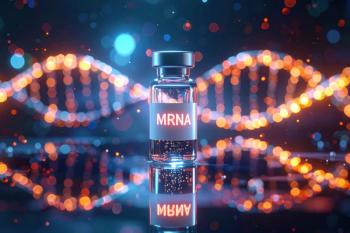
What’s more, mRNA vaccines can be easily adapted to target new variants of a virus. This is especially important for influenza, a frequently mutating virus. Advantages associated with this adaptability were demonstrated during the COVID-19 pandemic, where mRNA vaccines were successfully adjusted to protect against dominant variants such as Omicron and Delta.
A 2022 study in Lancet Infectious Diseases showed that COVID-19 vaccinations prevented an estimated 14.4 million deaths in the first year of vaccination alone.3 This highlights the tremendous potential of a widely available influenza vaccine to protect against future outbreaks.
“The award made today is part of our longstanding commitment to strengthen our preparedness for pandemic influenza,” said Dawn O’Connell, assistant secretary for preparedness and response, in the release.1 “Adding this technology to our pandemic flu toolkit enhances our ability to be nimble and quick against the circulating strains and their potential variants.”
With funding in tow, Moderna plans to collect safety and immunogenicity data through clinical trials to support FDA licensure and potential mass-production.
The initiative to create a pandemic-ready influenza vaccine began in 2023 when BARDA issued a request to Moderna and other companies to develop mRNA vaccines to prepare for potential public health emergencies caused by influenza viruses. One such strain that warrants this preparation is avian influenza A(H5N1), which returned to the public spotlight in April of this year when a dairy farmer tested positive for the virus.4
Although the CDC has reassured the public that the risk to public health from H5N1 is still low, work by Moderna will strengthen preparedness for potential influenza threats of its kind.
Moderna’s award expands BARDA’s Influenza and Emerging Infectious Diseases Division’s medical countermeasure portfolio. Since 2005, BARDA has been awarding contracts to support the development of a fourth influenza vaccine platform in addition to egg-, cell-, and recombinant protein-based approaches used for production of existing, licensed influenza vaccines.
READ MORE: Immunization Resource Center
Ready to impress your pharmacy colleagues with the latest drug information, industry trends, and patient care tips? Sign up today for our free Drug Topics newsletter.
References
2. What makes an RNA vaccine different from a conventional vaccine? Fact sheet. Pfizer. October 7, 2022. Accessed July 3, 2024. https://www.pfizer.com/news/articles/what_makes_an_rna_vaccine_different_from_a_conventional_vaccine
3. Watson OJ, Barnsley G, Toor J, Hogan AB, Winskill P, Ghani AC. Global impact of the first year of COVID-19 vaccination: a mathematical modelling study [published correction appears in Lancet Infect Dis. 2023 Oct;23(10):e400. doi: 10.1016/S1473-3099(23)00566-2]. Lancet Infect Dis. 2022;22(9):1293-1302. doi:10.1016/S1473-3099(22)00320-6