Infectious disease readiness depends on rehearsed workflows, bidirectional public health communication, and rapid access to care.
The novel tool can be used to inform vaccine policy, monitor impact, and essentially strengthen overall surveillance.
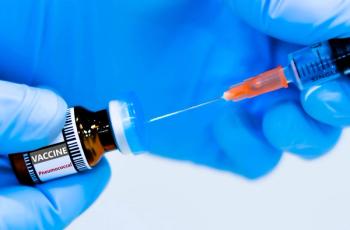
A novel approach to tracking pneumococcal disease could be on the horizon, according to new research from the International Journal of Infectious Diseases.1 Researchers found that sampling the air inside buildings may offer a scalable and affordable way to monitor community-level bacterial circulation and inform the vaccine policies pharmacists rely on to guide patient care.
“Current surveillance approaches have important constraints,” wrote authors of the study. “Invasive pneumococcal surveillance is typically hospital-based and passive, and is, particularly in low- and middle-income countries (LMICs), limited by diagnostic capacity and prehospital antibiotic use and underrepresents cases with difficult health care access.”
Traditional nasopharyngeal carriage studies are similarly resource-intensive and rely on repeated sampling of healthy children, making them difficult to scale across broad populations. In contrast, noninvasive active air sampling in indoor settings captures airborne respiratory particles that contain Streptococcus pneumoniae (S. pneumoniae) genetic material, offering an automated window into community pathogen dynamics.1
A longitudinal study conducted in a Belgian childcare center over 20 months successfully detected pneumococci in every single air sample and identified 15 distinct serotypes or serogroups.
These findings demonstrate that indoor air monitoring can effectively mirror localized bacterial transmission while bypassing the logistical hurdles of individual patient testing.1
READ MORE:
For community pharmacists, who sit at the center of adult immunization efforts, having timely local epidemiological data is essential for guiding patient care. Clinical pharmacist and health coach with
However, vaccination rates among at-risk adults under 65 remain low at around 20% to 23%, largely due to low awareness and shifting clinical guidelines. Improved surveillance tools that detect rising local serotype circulation can empower pharmacists to identify community risks and proactively recommend immunizations to vulnerable patients.
Beyond individual patient screening, pharmacists play a central role in antimicrobial stewardship and infection prevention programs across health systems. The American Society of Health-System Pharmacists emphasizes that pharmacists are responsible for promoting optimal antimicrobial utilization, tracking resistance patterns, and advancing evidence-based infection control measures.2
Environmental air surveillance supports these stewardship mandates by providing quantitative data on circulating pathogens without relying on symptomatic health care visits. This passive monitoring offers early warning signals regarding microbial threats, allowing pharmacy leaders and infection control committees to adjust empiric therapy guidelines and manage drug utilization more effectively.1-3
Traditional national tracking systems, such as the Active Bacterial Core surveillance network managed by the CDC, focus exclusively on invasive pneumococcal disease (IPD) like bacteremia and meningitis.4
Although these surveillance programs have documented massive drops in IPD following the introduction of PCVs, they do not track noninvasive conditions such as pneumococcal ear infections or subclinical carriage. Furthermore, more than 40% of IPD cases show resistance to at least one class of antibiotics, underscoring the urgent need for continuous, comprehensive monitoring.
Global health experts emphasize that pneumococcal surveillance must continue because post vaccine serotype replacement remains a persistent global threat. As routine vaccination suppresses vaccine-targeted serotypes, nonvaccine strains frequently emerge to cause disease in unvaccinated older adults and infants.5
Long-term national surveillance data from South Africa demonstrates that although vaccine-specific disease dropped dramatically, invasive disease caused by nonvaccine serotypes increased among older populations. Environmental air sampling provides a responsive method to detect these shifting serotype dynamics in real time, helping public health officials and pharmacists evaluate whether current vaccine formulations remain effective.1,5
A complementary prospective observational study in a Belgian childcare setting confirmed that indoor air sampling sensitively detects a wide array of airborne respiratory pathogens alongside S. pneumoniae.3
Researchers observed that pathogen concentrations in the air correlated with the number of infectious individuals present and could be normalized using indoor carbon dioxide levels to correct for room ventilation and occupancy. When outbreaks occurred, indoor air samples detected viral pathogens up to 1 week before they appeared in individual nasal mucus samples, highlighting the potential for early outbreak detection.
Combining indoor air surveillance with advanced molecular testing could transform how public health systems monitor respiratory infections, particularly in LMICs where hospital diagnostic capacity is limited. By offering a low-cost, noninvasive method to monitor bacterial circulation, indoor air sampling gives pharmacists and public health leaders the data needed to strengthen vaccine policy, track herd immunity, and protect vulnerable communities.1,3
“Indoor air sampling captured signals of community pneumococcal circulation and serotype dynamics,” concluded authors of the current study.1 “With further validation, it could provide a scalable, affordable surveillance tool to support vaccine policy, monitor vaccine impact, and strengthen respiratory pathogen surveillance, particularly in LMICs.”
READ MORE: