Data show postmenopausal women using hormone replacement therapy may have a 10% lower risk of developing dementia.
Researchers assess the neurological outcomes of over 200,000 children exposed to COVID-19 before birth.
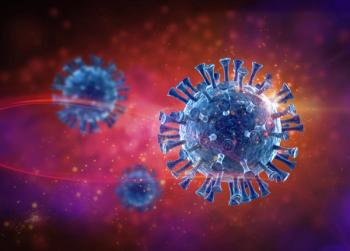
In one of the largest cohort studies of its kind, researchers found no consistent link between maternal COVID-19 infection during pregnancy and neurodevelopmental or neurological disorders in children, according to JAMA Network Open.1 Researchers did, however, find an increased risk of speech disorders among participants exposed to COVID-19 in the beginning of the pandemic, highlighting the need for further research regarding outcomes of prenatal exposure.
“With the crisis phase of the COVID-19 pandemic over, the focus of medical research pivots to the potential ripple effects of the global outbreak,” wrote the authors of a separate study published in JAMA Network Open.2 “Unanswered questions endure for many vulnerable populations. One such population includes the cohort of children generated from pregnancies during the pandemic.”
This population-based Norwegian study analyzed data from 204,663 children born between March 2020 and December 2023 to evaluate broad neurodevelopmental outcomes. Across the full cohort, children exposed to maternal SARS-CoV-2 infection showed no overall increased risk for autism, motor deficits, intellectual disabilities, epilepsy, or sensory impairments.1
However, when investigators restricted analysis to the early pandemic period prior to March 2022, when PCR testing was universally mandated, they observed a 2.22-fold increased risk of developmental speech or language disorders among exposed offspring. Researchers noted that potential mechanisms include fetal immune activation or societal pandemic mitigation measures that limited early language stimulation.
READ MORE:
These findings build upon prospective research from the ASPIRE trial, which followed 2003 pregnant individuals and their infants through 24 months postpartum. Utilizing standardized Ages and Stages Questionnaires, that study identified no significant differences in neurodevelopmental screening scores between exposed and unexposed children across communication, motor, or social domains.2
Together, these observational datasets offer substantial reassurance to families while pointing toward specific areas requiring ongoing developmental monitoring.1,2
According to Mayo Clinic guidance, SARS-CoV-2 infection during pregnancy rarely crosses the placenta to infect the fetus directly. Maternal infection, however, is known to raise the likelihood of severe illness, preeclampsia, blood clots, and preterm delivery, particularly when conditions like hypertension or obesity are present.2,3
Severe maternal immune activation can alter the in-utero environment, potentially impacting sensitive fetal neurodevelopmental pathways. Mayo Clinic experts emphasize that staying current with COVID-19 vaccinations during pregnancy effectively mitigates severe illness and reduces birth complications, offering critical protection for both mother and infant.1-3
As accessible health care providers, pharmacists play a central role in guiding expectant mothers through medication decisions. Qualitative studies reveal that practitioners evaluate medication risks against benefits while helping patients overcome fear and online misinformation.4-6
To support evidence-based counseling, final guidance from the FDA calls for robust postmarketing pregnancy safety studies and expanded registries to populate drug labeling with human data.5
Pharmacists utilize decision support tools and databases like Micromedex, Lexicomp, and UpToDate to evaluate teratogenic risks, manage chronic conditions safely, and report adverse events.4,5
Beyond traditional dispensing, community pharmacies are expanding maternal care infrastructure in underserved areas.6
Programs like Medications Optimizing Maternal Safety, developed by the University of Mississippi School of Pharmacy and community pharmacy networks, leverage the frequent contact patients have with pharmacists, whom patients visit up to 35 times annually compared with few physician visits.
Participating pharmacy teams supply free monthly prenatal supplements, conduct health screenings, and monitor blood pressure. By integrating clinical evidence on viral risks, vaccine recommendations, and medication safety, pharmacists serve as essential care coordinators who safeguard maternal and pediatric health throughout pregnancy and beyond.4-6
“In this population-based cohort study, children exposed to maternal COVID-19 prenatally did not show an increased risk of neurodevelopmental disorders, except for an increased risk of speech or language disorders among those exposed in the early phase of the pandemic,” they concluded.1 “These findings warrant replication in other populations and settings.”
READ MORE: