






Respiratory
Latest News
Advertisement
Latest Videos




CME Content











































Advertisement
More News

The 4 key organizations regularly focusing on respiratory virus season released updated vaccine recommendations for 2026-2027.
New consensus confirms that chronic obstructive pulmonary disease, asthma, bronchiectasis, and lung cancer are indications for pneumococcal vaccination.

New data show illness perception and functional capacity influence each other in older adults with COPD and diabetes after hospital discharge.

By late February 2026, national data from the CDC reveal a test positivity rate of 9.1%, the highest recorded for the entire season at that point.

New IL‑33 antibody cuts chronic obstructive pulmonary disease flare-ups in phase 3 trials, showing benefit and safety.

With a multitude of concerns surrounding corticosteroids for asthma, researchers explore the overall clinical and economic burden of these drugs.

Addressing the lack of evidence regarding pharmacists’ roles as immunization authorities on infant respiratory syncytial virus (RSV) vaccines.

US adults were surveyed about their understanding of shared clinical decision-making following the HHS overhaul of childhood vaccines.
Coping strategies significantly influence psychological health and functional capacity in COPD patients, highlighting the need for effective management.
COVID-19 vaccination significantly reduces long-term mortality risk in chronic obstructive pulmonary disease patients, highlighting its importance for respiratory health and safety.

A recent study reveals COVID-19 vaccination significantly reduces severe maternal disease and preterm birth risks during pregnancy.
Discover critical insights on respiratory health, COVID-19 impacts, and vaccination strategies from recent studies and regional policy changes.

A pharmacist's guidance is essential when selecting effective OTC cold and influenza medications that provide relief from symptoms such as cough, congestion, and fever.
Megan Smith, PharmD, discusses how pharmacists have taken reigns in boosting pneumococcal vaccine rates across health care.

Pharmacists enhance asthma care by bridging knowledge gaps, improving medication adherence, and providing cost-effective treatment options for patients.

Vaccine hesitancy rises as new recommendations emerge, highlighting pharmacists’ crucial role in addressing misinformation and improving immunization rates.

Multifaceted antimicrobial stewardship initiatives significantly enhance antibiotic prescribing practices for respiratory infections, improving patient outcomes.

Dietary nutrients show promise in reducing asthma risk linked to indoor air pollution, offering new strategies for pharmacists in patient care.
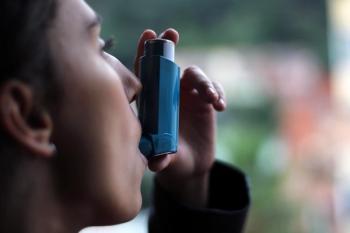
A recent review highlights cardiovascular risks linked to albuterol use in asthma treatment, urging safer alternatives and enhanced patient monitoring strategies.

With disease cases increasing substantially between 2012 and 2024, higher-valent vaccines are necessary to protect against nonvaccine serotypes and invasive pneumococcal disease.

A study shows dupilumab significantly improves symptoms of allergic fungal rhinosinusitis, offering hope for effective treatment options.

Study findings highlight the need for further exploration into the racial and ethnic trends of pneumococcal vaccination rates.

A study reveals a significant decline in inhaled corticosteroid use among COPD patients, highlighting the need for careful management and monitoring.

Georgia Travlos, PharmD, discusses changes in influenza and respiratory syncytial virus immunizations and coadministration best practices.

Tezspire gains FDA approval as the first biologic for chronic rhinosinusitis with nasal polyps, offering improved patient outcomes.
Advertisement
Advertisement
Trending on Drug Topics
1
Serotype 34 Causes Pneumococcal Meningitis in Child With Cochlear Implants
2
Addressing Medication Adherence in Cardiometabolic Health
3
From Binder to Action: Making Infectious Disease Outbreak Plans Operational
4
Retatrutide Delivers 20.8% Weight Loss in Adults With Type 2 Diabetes
5