

Those who contributed to the arrest of Luigi Mangione, the suspect in the murder of UnitedHealthcare CEO Brian Thompson, are facing unjustified backlash. They are heroes—not snitches.
Those who contributed to the arrest of Luigi Mangione, the suspect in the murder of UnitedHealthcare CEO Brian Thompson, are facing unjustified backlash. They are heroes—not snitches.

Cardiovascular health is known to be associated with the probability of having active or developing migraine in the future.

Data has shown the investigational cell therapy is well-tolerated in patients and showed preliminary impacts on cognition.

Recently, there has been concern around glucagon-like peptide-1 receptor agonists and increase the risk of thyroid cancer, with liraglutide having a black box warning label for the disease.

Crystal Zhou, PharmD, APh, AHSCP, BCACP, discussed her role as Lead Pharmacist of the Cut Hypertension Program.


Help your patients overcome tummy troubles with trusted OTC products that relieve bloating, heartburn, and more, promoting smooth and happy digestion.

Researchers conducted a review of clinical studies to better understand non-oral drugs for the treatment of pain related to herpes zoster.

Social media can help close the gap on health care information access, but pharmacists still play a large role in diabetes management, especially in therapeutics.
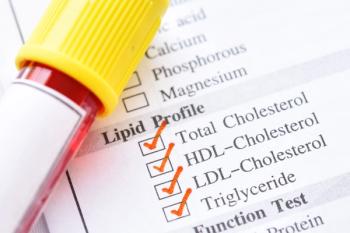
Poor cardiometabolic health is associated with cognitive impairment in later life, but there is no clear association between cardiometabolic trajectories and early markers.

Natalie DiPietro Mager, PharmD, PhD, discusses the best ways to integrate maternal health services into the routine workflow of community pharmacies.

Researchers asked adults with chronic pain and physicians their opinions on cannabis regulations.

Reducing the number of opioid prescriptions for patients with lower back pain did not result in an increased use of other, risky pain medications.

Data from a previous phase 1b trial show improvements in the Eczema Area and Severity Index (EASI)-75 compared with the placebo at 12 weeks.

Assessing the management of chronic low back pain, researchers compared outcomes of healthy lifestyle care with current guideline-recommended care.

RBI-4000 is a self-replicating RNA (srRNA) vaccine developed to stimulate virus-neutralizing immune responses to rabies for prophylactic use.

The American Pharmacists Association announced the launch of its transformative HealthShifts platform in collaboration with the California Pharmacists Association and powered by Locumate.

Patients who achieved clinical remission at 1 year in VIVID-1 maintain clinical remission at 92.9% at 2 years with the Crohn Disease Activity Index.

Researchers addressed unmet needs in the treatment of chronic pain for patients living with axial spondyloarthritis.

The survey results show 1 in 4 Americans ranked health care access and affordability as their highest public health priority for government officials to address.

Experts believe a bird flu outbreak is responsible for hundreds of dead birds washing ashore on the beaches of Chicago.

In a network meta-analysis, researchers compared the safety and efficacy of available analgesic treatment for treating acute pain in children.

A recent study found that edible or smoked cannabis use predicted little variability in pain relief.

With the acceptance of the new drug application and granting priority review, the target action date is August 12, 2025.
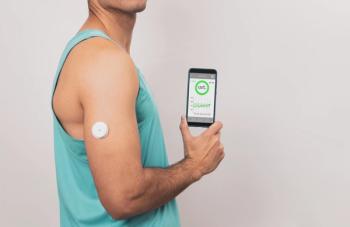
App notifications can be effected by various notification focuses, software updates, or connecting hardware, such as car audio or wireless earphones.

Karissa Kim, PharmD, BCPS, BCACP, discusses the main challenges pharmacists face in assessing and addressing patients’ health literacy levels.

The prevalence of high blood pressure is highest in Mississippi at 40.2% compared with the lowest in Colorado at 24.6%.

Researchers conducted a population-based study of women in Korea to analyze the association between age at menopause and incidence of type 2 diabetes.

ADI-001 is an investigation allogeneic gamma delta chimeric antigen receptor T cell therapy that targets CD20 for the treatment of a variety of autoimmune diseases.

Primary hyperoxaluria type 1 (PH1) is a rare genetic condition that affects the kidney, bladder, or urinary tract, and indicates high levels of oxalates in the urine.