
What happens next in health care depends largely on COVID-19, especially in light of the breaking news that the President has been diagnosed with COVID-19. And then, of course, on the 2020 presidential election itself.
What happens next in health care depends largely on COVID-19, especially in light of the breaking news that the President has been diagnosed with COVID-19. And then, of course, on the 2020 presidential election itself.

Watch some of the highlights from the virtually-held ThoughtSpot 2020 conference and trade show.

SingleCare's "Best of the Best" Pharmacy Awards honors pharmacists and pharmacy technicians, the COVID-19 pandemic's unsung health care heroes.
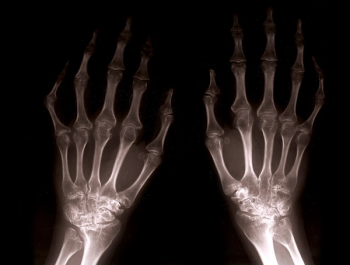
Tofacitinib (Xeljanz; Pfizer) is the first and only Janus kinase inhibitor approved in the US for this indication.

Members of the MJH Life Sciences COVID-19 Coalition weighed in on the latest pandemic information in a recent survey.

The FDA is requiring an update to the boxed warning on all benzodiazepines and new labeling.

The FDA’s final rule allows the importation of certain prescription drugs from Canada under certain conditions.

Anticipating higher demand for the flu vaccine this season, many pharmacy chains are expanding their services.
The FDA has approved mepolizumab (Nucala; GSK) as the first biologic treatment of hypereosinophilic syndrome.

Dangerous social media challenges prompt the FDA to warn about the serious risks associated with taking excessive doses of diphenhydramine (Benadryl).

Walmart is piloting drone delivery of at-home coronavirus disease 2019 (COVID-19) self-collection kits.

Sun Pharmaceuticals issued a voluntary recall of 1 lot of its metformin hydrochloride for extended-release (ER) oral suspension (Riomet ER), 500 mg per 5 mL.
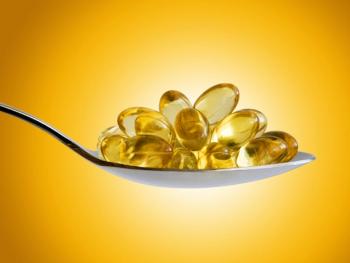
The US Preventive Services Task Force concluded that the current evidence is insufficient to make a recommendation for or against vitamin D deficiency screening in asymptomatic adults.

Perrigo has issued a voluntary recall of all unexpired albuterol sulfate inhalation aerosol to the retail level.

Two lots of the thyroid tablets are being recalled after testing found the lots to be subpotent.
Community pharmacy owner/manager respondents reported that patients’ prescriptions were transferred without permission.

The Trump administration released its COVID-19 vaccine strategy, with pharmacies among the list of suggested providers for distribution.

Labs and drug stores are making at-home coronavirus disease 2019 (COVID-19) tests more accessible.

The annual event, which convenes thousands of independent community pharmacies, moves to an immersive virtual environment on AmerisourceBergenLive.com

AmerisourceBergen and Good Neighbor Pharmacy (GNP) kicked off the first virtual ThoughtSpot, GNP’s annual independent community pharmacy conference and trade show.
After a temporary pause, investigators have received the green light to resume clinical trials for COVID-19 vaccine candidate AZD1222 following a safety review.
In a partnership with top health care experts, MJH Life Sciences™ COVID-19 Coalition will host its inaugural event, "Battling Dual Threats: Flu and COVID-19 Converge" on Tuesday, September 15, at 6 p.m. EDT.
Albertsons announced its pharmacies will begin to offer vaccinations to children 3 years and older nationwide.
Fluticasone furoate/umeclidinium/vilanterol (Trelegy Ellipta; GlaxoSmithKline) is indicated for the treatment of asthma in patients aged 18 years and older.
State-licensed pharmacists and pharmacy interns will be able to order and administer coronavirus disease 2019 vaccines under certain conditions.
Approval was based on a phase 3 clinical trial comparing the investigative doses with the approved 1.5 mg dose.

A plus for both patients and pharmacists

NACDS is launching a nationwide awareness campaign on the importance of getting the flu vaccine this fall.

AstraZeneca’s investigational coronavirus disease 2019 (COVID-19) vaccine candidate, AZD1222, has expanded into a phase 3 clinical trial.

Here's the coronavirus-related news from this week that you should know.