

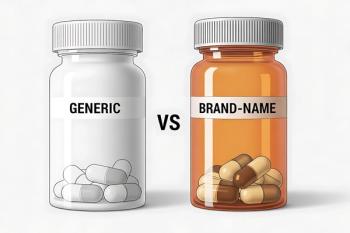
Researchers assess the differences in out-of-pocket spending on brand name compared with generic medication.
Researchers assess the differences in out-of-pocket spending on brand name compared with generic medication.

Practical takeaways to improve real‑world clinic outcomes for PAINWeek 2026.

Starting with Exelixis’ condition on in-house dispensing data, manufacturers are introducing a new approach to 340B claims focused on transparency.

The trial found that up to 25 days of nirmatrelvir-ritonavir did not improve cognitive, autonomic, or exercise-related symptoms compared with placebo.

Digital innovation and proactive patient care are converging to transform clinical practice while preserving essential safeguards.

James Barnes, CPhT, explains why respecting a patient's time isn't about speed and how he landed in the pharmacy by chance.

ACIP changes, new court rulings, and coverage gaps threaten vaccines, pharmacists’ reimbursement, and children's access through Vaccine For Children.

As pouched products increase in popularity, researchers assess their pharmacology, harm-reduction potential, and initiation risk.

The approval is the first new treatment advance in more than 30 years for chronic kidney disease for adults with type 1 diabetes.

Adults with serious mental illness receive GLP-1 prescriptions at rates similar to or higher than their peers, though schizophrenia continued to lag.

Madeline Sutton, MD, MPH, FACOG, joins to discuss risks of HPV infection among women and how pharmacists can improve outcomes in this area.

In part 2, Vanessa Slowey explains the pharmacy industry’s need for due diligence as technology reinforces patient convenience in the 21st century.

A study found that age and physical comorbidities—not psychiatric diagnosis—were associated with nonpsychotropic polypharmacy.

As pharmacists vocalize their willingness to fill in health care gaps, the integration of public health and emerging pharmacy professionals could be profound.

The expert explains 2025-1016 flu, COVID-19, and RSV vaccine updates from AAP, ACOG, AAFP, and IDSA, and what changing schedules mean for pharmacists.

A persistence of pneumococcal meningitis among adults transformed the disease into a public health concern pharmacists fight on a population-wide scale.

An analysis found all-cause pneumonia Black, lower-income, and medically at-risk children still face substantially higher rates of hospitalization.

Data show postmenopausal women using hormone replacement therapy may have a 10% lower risk of developing dementia.

In this episode, Shawn Bjorndal, PharmD, RPh, and Jesse McCullough, PharmD, explore rhythms, routines and how they can make or break pharmacy team members.

Vanessa Slowey lays the ground for where AI and automation are impacting pharmacy practice today and discusses what innovations are still expected.

The approval extends the medication to a younger pediatric population, marking the first FDA-approved treatment for children with this immunodeficiency.

Among patients with type 2 diabetes, researchers explore the effects of selecting additional therapy for GLP-1 treatment.

A cross-sectional survey links chronic fatigue, cognitive impairment, and menstrual irregularity to COVID-19 vaccination, with rates differing by brand.

A review of hospitalized patients with COVID-19 links female sex, severe acute illness, and intensive care unit admission to higher odds of long COVID.

Adults with type 1 diabetes who used Omnipod 5 Automated Insulin Delivery System maintained significant improvements in time in range and hemoglobin A1C.
Thomas Lew, MD, ABIM, Molly O’Shea, MD, FAAP, and Jesse Goodman, MD, MPH, discuss vaccine policy changes and their impact on measles outbreaks.

A Bayesian meta-analysis finds patients regain half their treatment-associated weight loss within about 7.5 months of stopping semaglutide or tirzepatide.

AD109 significantly reduces breathing interruptions in adults with obstructive sleep apnea who could not tolerate or had refused CPAP therapy.

Jesse Goodman, MD, MPH, provides nuance regarding HHS’ suggestion to separate MMR combination vaccines as well as the looming elimination status review in November.

A population-level analysis finds that age, comorbidity burden, and long-term care residence continue to drive severe outcomes.