

In celebration of the organization’s recent convention, NCPA released its annual digest report for members, providing a detailed overview of independent community pharmacy.
In celebration of the organization’s recent convention, NCPA released its annual digest report for members, providing a detailed overview of independent community pharmacy.

Local collaborations can turn pharmacies into care-coordination hubs, but lasting results require trained teams, shared data, and sustainable payment.

In a rapidly evolving diabetes and obesity management landscape, Brian Smith, PharmD, discusses approaches that are helping patients maximize their outcomes on GLP-1 therapy.

A structured recommendation workflow at a community pharmacy was associated with more multivaccine patients than routine practice.

In part 2 of our pre-election series, detailing key health policies for pharmacists at this year’s midterms, a legal expert touches on MFN pricing, ACA subsidies, and more.

Pharmacists can improve cardiometabolic adherence by easing adverse effects, simplifying regimens, tackling costs, and synchronizing refills.

In this episode, our hosts examine the expanding role of incretin therapies in children and adolescents with obesity and type 2 diabetes.
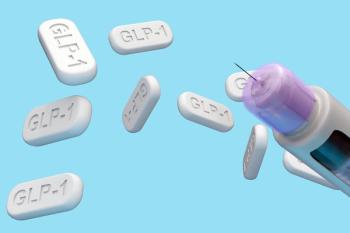
GLP-1 adherence requires integrated care teams, administrative technology, and proactive clinical support to tackle complex challenges.

Pharmacist Stephanie Young Moss explains menopause symptoms, hormone therapy guidance, and how pharmacists can expand menopause care access.

Research shows that cost-plus pricing can lower drug costs dramatically, depending on where in the supply chain the markup is applied.

Medicaid and Part D low-income subsidy enrollment narrowed some gaps, but much of the disparity occurred within the same plans.

In part 1 of our midterm election FAQ series, AJ Barbarito, Esq, breaks down ongoing legal developments for pharmacists and what a change in Congressional control could mean for the profession.

A modeling study projects that a structured lifestyle program for adults with prediabetes would be cost-effective and likely cost saving.

As a government price-setting formula, the same arithmetic has produced the opposite result.

Orforglipron lowered A1C and body weight more than oral semaglutide 25 mg at 52 weeks, but the estimate comes from an indirect comparison.

Brian Smith, PharmD, explains how direct-to-consumer GLP-1 pathways broaden initial access but endanger long-term patient adherence.

Pharmacists face burnout and financial strain as PBMs take big cuts, prompting urgent calls for reform to protect patient care and community pharmacies.

What pharmacy technicians say would actually make them feel seen on World Pharmacy Technician Day, and the other 364 days of the year.

The analysis is not a head-to-head trial, and the weight loss gap reached statistical significance under 1 of 2 estimands.

A 1.6-million-birth analysis finds that adoption of a 2016 trial's antibiotic protocol climbed sharply in US hospitals, with a drop in infection rates.

New findings suggest semaglutide's benefits may extend well beyond diabetes and weight loss and into airway disease and mood disorders.

First approved for adults in 2022, the therapy is now cleared for adults and pediatric patients weighing 66 lbs or more with symptomatic obstructive hypertrophic cardiomyopathy.
With the inherent value medications provide in the greater health care system, Jennifer Hammons, PharmD, DrPH, argues that rural pharmacies deserve the proper recognition.

A claims analysis of 2031 patients aged 10 to 17 years found that nutrition counseling was infrequent and often began months after treatment started.

Community pharmacists offer accessible care, improve medication adherence, and build trust through education, vaccination support, and local health leadership.

Researchers compared vaccine coadministration with single-dose, sequential vaccination for the RSVPreF3 OA vaccine formulation in adults.

A study of women aged 50 to 69 years found that thrombotic risk varied by route of administration, estradiol dose, and duration of use.

Despite technology fostering a new generation of health care delivery, experts believe rural health solutions should be sought elsewhere.

Medicaid coverage of obesity-labeled GLP-1 receptor agonists may substitute for, rather than simply add to, diabetes-labeled use, a new study finds.

Researchers outline individual peripheral arterial disease burden as well as the most at-risk patient populations and treatment recommendations.