

Haley Pals, PharmD, BCPP, and Thomas Franko, PharmD, discussed the best approaches in the use of buprenorphine for treating patients with SUD.
Haley Pals, PharmD, BCPP, and Thomas Franko, PharmD, discussed the best approaches in the use of buprenorphine for treating patients with SUD.

Susan Cornell, PharmD, CDCES, FAPhA, FADCES, associate director of experiential education at the College of Pharmacy at Midwestern University, discusses recent advancements in diabetes care.
Chichi Ilonzo Momah, PharmD, discussed what pharmacists can be doing to address vaccine hesitancy and the barriers impeding under-resourced communities.

Alisha Reed, PharmD, founder of Your Self Care Prescription, LLC, discussed how pharmacists can implement wellness programs to reduce burnout.
Mark Garofoli, PharmD, BCGP, CPE, director of experiential learning at West Virginia University, discusses the potential of psuychedelic therapy in pharmacy.

Emily Leppien, PharmD, BCPS, BCPP, clinical associate professor of pharmacy practice at Binghamton University, discusses identifying potential red flags for substance use disorder.

Heather Johnson, PharmD, BCACP, CTTS, and Heather Roth, BSPharm, RPh, discuss medications and devices used for improving cardiovascular health among patients with or without diabetes.

Jeffrey Gudin, MD, faculty in the department of anesthesiology and pain management at the University of Miami, said topical analgesics are safer alternatives to systemic medications.

Darcy Aslett, PharmD, residency program director for PGY-1 community-based residency at St. Luke's Health System, discusses clinical services in pharmacies for underserved patients.
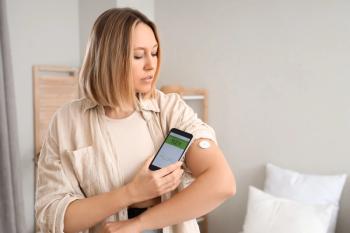
Diana Isaacs, PharmD, BCPS, BCACP, BC-ADM, CDCES, discusses the various errors patients experience when using CGM devices.

Stefanie Ferreri, PharmD, BCACP, FAPhA, discusses literature exploring OTC drugs, supplements, and devices used for non-prescription or self-care purposes.

Ravi Patel, PharmD, MBA, MS, lead innovation advisor in the School of Pharmacy at the University of Pittsburgh, discusses challenges with new technology and the future of artificial intelligence in pharmacy.

Heather Johnson, PharmD, BCACP, CTTS, and Heather Roth, BSPharm, RPh, compare patients’ diabetes outcomes in clinical and community pharmacy settings.
Elizabeth Pogge, PharmD, professor in the College of Pharmacy at Midwestern University, discusses the safety and efficacy of anticoagulation for this population.
Dan Krinsky, BS, MS, RPh, FAPhA, and Stefanie Ferreri, PharmD, BCACP, FAPhA, discuss new OTC product releases, recalls, and other updates pharmacists should be aware of.

Ravi Patel, PharmD, MBA, MS, lead innovation advisor in the School of Pharmacy at the University of Pittsburgh, explains how artificial intelligence can be used in pharmacy.

Dan Krinsky, BS, MS, RPh, FAPhA, discusses the use of ChatGPT and artificial intelligence in assisting pharmacists for the management of OTC self-care products.

Elizabeth Pogge, PharmD, professor in the College of Pharmacy at Midwestern University, discusses initiating anticoagulation for older adults as well as the risk-benefit balance of the therapy.

Sally Arif, PharmD, professor in the College of Pharmacy at Midwestern University, discusses how pharmacists can effectively communicate with diverse patients.

Jasmine Cutler, PharmD, discusses the unique expertise pharmacists possess in order to counsel patients seeking any type of contraceptive product.

This year’s meeting will take place from March 21 to 24 in Nashville, Tennessee.

“Every pharmacist raises their hand and takes an oath before they graduate to put patients first,” said Bruce Berger, PhD, FAPhA. “But what happens when you exist in an environment every single day where that’s impossible?”

According to Anita Jacobson, PharmD, pharmacists should actively facilitate access to harm reduction programs by providing information and resources, ensuring the person who uses drugs doesn’t have to navigate the landscape on their own.

It’s important that pharmacists continuously revise their counseling as new information about substances such as xylazine, levamisole, and phenacetin emerges, said Anita Jacobson at this year’s American Pharmacists Association Annual Meeting & Exposition.
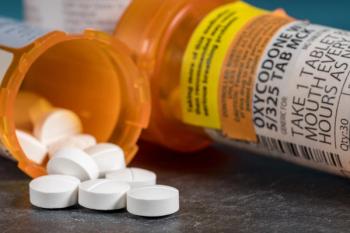
At APhA 2024, 2 posters looked into how collaboration between physicians and community pharmacists is crucial when it comes to opioid prescriptions, and current opioid use patterns among older adults.

Two posters presented at APhA 2024 examined how the COVID-19 pandemic impacted pharmacists and their work.

Researchers detailed the FDA’s recommendations on low-dose aspirin and pharmacists’ role in cardiovascular practice transformation programs.

Posters presented at the APhA 2024 Annual Meeting and Exposition discussed pharmacist barriers in pediatric immunizations, a novel meningococcal vaccine, and the need for inpatient reviews of vaccination history.

In a poster presented at the 2024 American Pharmacists Association Annual Meeting and Exposition, researchers addressed continuous glucose monitoring and its potential role in indigent communities.

According to Sa’ed Al-Olimat, education and advocacy are key to ensure a safe and accessible landscape of psychedelic therapeutics, especially as the compounds inch closer to the mainstream health care market.