

































Three posters showcased at IDWeek 2024 focused on enhancing access to HIV prevention and treatment, as well as increasing uptake of pre-exposure prophylaxis (PrEP) among women.
Three posters showcased at IDWeek 2024 focused on enhancing access to HIV prevention and treatment, as well as increasing uptake of pre-exposure prophylaxis (PrEP) among women.
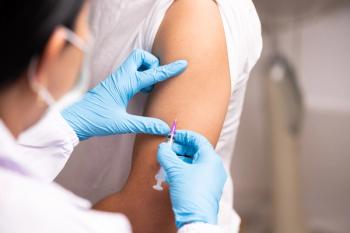
Vaccination against HPV can prevent thousands of cases of cancer each year.

Gepotidacin is a first-in-class oral antibiotic with a novel mechanism of action.

The financial burden of in vitro fertilization (IVF) medications has become increasingly prohibitive, limiting the availability of fertility treatments for many.

Research from ESMO 2024 focused on the relationship between survival outcomes and medication adherence.

The therapy’s Prescription Drug User Fee Act date has been set for July 26, 2025.

Stephanie Sober, MD, MSHP, shares insights into the research that led to Opill’s FDA approval and its implications for women’s access to contraception.

This approval offers an additional treatment option for a disease that can commonly return.

Stephanie Sober, MD, MSHP, investigator on the pivotal research that supported the prescription-to-OTC switch of Opill, shares insights on how the medicine is reshaping the reproductive landscape.

In 3 Phase 3 trials, elinzanetant reduced the frequency and severity of moderate to severe vasomotor symptoms, and improved sleep disturbances.

On the second anniversary of the overturning of Roe v Wade, check out recent coverage on abortion and contraceptive access.

Four posters presented at ENDO 2024 explored the interplay of hormones and other factors in postmenopausal women.

Three posters presented at ENDO 2024 focused on women’s health.

Posters presented at ENDO 2024 investigated excessive weight gain in breast cancer survivors and how high insulin levels impact outcomes for Black women with an aggressive form of the disease.

Roche's self-collection kit allows women to screen for cervical cancer at home, offering an alternative to a visit to a health care provider and promoting early detection of the disease.

As Women’s Health Week comes to a close, check out some of our recent women’s health coverage. Dive deep into everything from skin care myths to reproductive care access.

Cutting through the noise of social media is key when educating patients on how to make better choices for their skin.

Last August, zuranolone (Zurzuvae) became the first FDA-approved pill to treat postpartum depression in adults.

Drug Topics sat down with Sally Rafie, founder of Birth Control Pharmacist, to discuss how pharmacists are well positioned to expand access to reproductive care.

Due to the increased possibility of adverse pregnancy outcomes associated with methotrexate and leflunomid, it is crucial that patients with rheumatoid arthritis (RA) engage in thorough consultations with their physicians regarding pregnancy planning.

This week, a divided America watched as the Supreme Court heard oral arguments regarding whether to reinstate restrictions on accessing mifepristone, an essential drug used in medication abortion.

Access to counseling and education were strong predictors of being dispensed contraceptives.

Supreme Court decisions and state-level legislation have made abortion access in some states more complicated than ever before.

These OTC products are recommended to address a variety of symptoms associated with women's health issues.

See what's trending in pharmacy with a preview the Drug Topics March issue.