
















































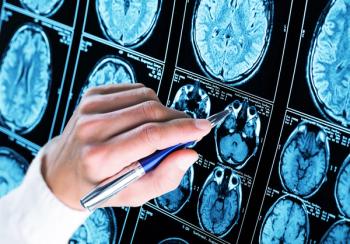
PET and autopsy assays suggest that Alzheimer disease (AD) and non-AD tau pathologies could be the underlying cause of some late-life mood disorders.
PET and autopsy assays suggest that Alzheimer disease (AD) and non-AD tau pathologies could be the underlying cause of some late-life mood disorders.
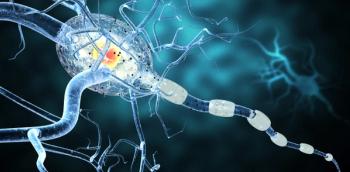
Although there is no cure for MS, treatment focuses on recovery from attacks, reducing relapse, slowing disease progression, and managing multiple sclerosis symptoms.

Triptans are often a first-line treatment for migraine and can be used to treat menstrual migraine and cluster headaches.

However, there is no association between cortisol and tau pathology.

Dihydroergotamine (Brekiya) is an acute treatment to help relieve migraine attacks, and it can come in nasal sprays, injections, and intravenous infusions.

The drug is approved for the short-term treatment of acute repetitive seizures, also known as seizure clusters, which differ from a patient’s normal seizure pattern.

The drug is also approved for adults with chronic inflammatory demyelinating polyneuropathy.

Investigators find 5 distinct obesity trajectories that influenced brain morphology, function, and cognition.
Data from the HERCULES phase 3 trial were presented at the 2025 Annual Meeting for the American Academy of Neurology for non-relapsing secondary progressive multiple sclerosis.

Further studies are needed to further confirm the association between glucagon-like peptide 1 medication and reductions in dementia risk.

Previous research shows herpes zoster is associated with a higher long-term risk of subjective cognitive decline, with increased risk for men who carried APOE ε4.

Investigators found that zonisamide was associated with a reduction in monthly migraine days for pediatric populations.

Patients preferred ultrasound stimulation, followed by magnetic stimulation, drugs, electrical stimulation, and brain implantations.

The FDA also granted priority review, with a Prescription Drug User Fee Act target action date of August 19, 2025.

The tablet formation of risdiplam (Evrysdi) demonstrates bioequivalence to the oral formulation of the drug.

The designation is based on the AMULET phase 2 trial, which was the first-in-human study of the drug.

Data has shown the investigational cell therapy is well-tolerated in patients and showed preliminary impacts on cognition.

Expert highlights the benefits of using apomorphine infusion to provide more consistent medication levels and reduce the unpredictable fluctuations.

The drug will be made available in the second quarter of 2025.

The approval of xanomeline and trospium chloride (Cobenfy) from Bristol Myers Squibb represents a “transformative moment in the treatment of schizophrenia.”

In the TEMPO-1 trial, both tavapadon doses effectively reduced motor symptoms in patients with early-stage Parkinson's disease.

Bezisterim acts on inflammatory signaling pathways and may be a viable treatment option for post–COVID-19 condition, or long COVID.

Results from HERCULES will form the basis for future discussions with global regulatory authorities, according to Sanofi.

In a clinical trial, IPX203 was able to achieve longer good on-time with less doses compared to standard treatment.
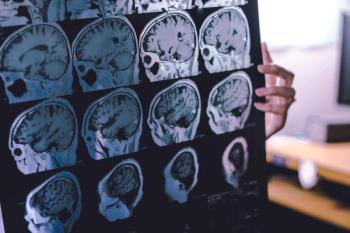
Liraglutide slowed the loss of volume in critical brain regions and cognitive decline in patients with mild Alzheimer's dementia.