


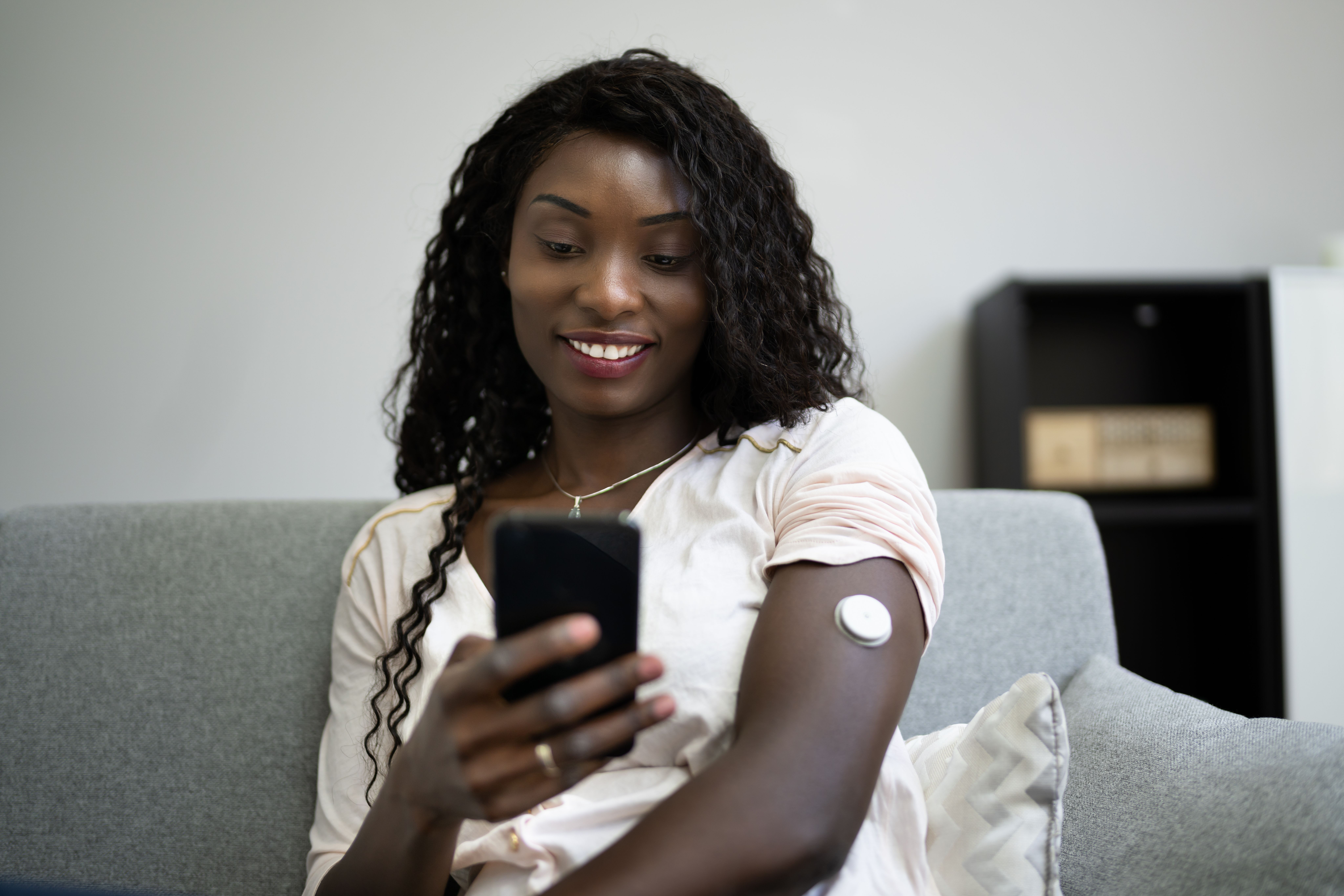












































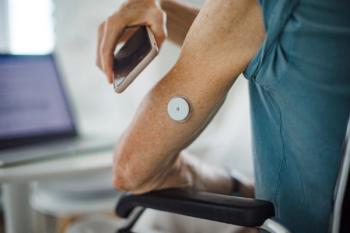
A report from Dexcom found that depression and anxiety are commonly reported in patients living with type 2 diabetes, but continuous glucose monitors can make disease management easier.
A report from Dexcom found that depression and anxiety are commonly reported in patients living with type 2 diabetes, but continuous glucose monitors can make disease management easier.
Beyond improving glucose control, hybrid closed-loop glucose monitoring systems offered indirect benefits like reduced fear of hypoglycemia and improved sleep quality among youth with type 1 diabetes (T1D).
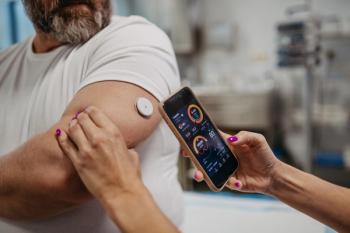
Researchers analyzed the efficacy of continuous glucose monitoring as the standard of care for diabetes management in an inpatient setting.
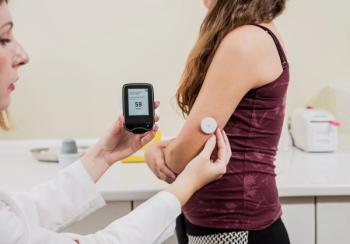
Findings from the FAMS-T1D study show that structured goal-setting and achievement significantly enhance self-efficacy and self-care in emerging adults.
Since diabetes technology innovation, combined with strong patient demand, has outpaced current evaluation methods, investigators are calling for new approaches that “keep up with the times.”
Type 1 diabetes (T1D), which once predominantly affected children, is increasingly affecting older adults in the US, with prevalence rates peaking in those aged 45 to 64, according to recent research.
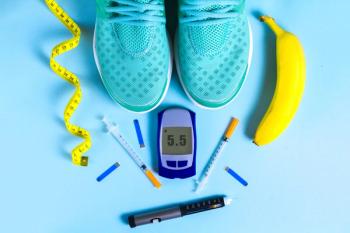
Different weight loss therapies provide a wide range of benefits to patients with T1D—but they have some potential adverse effects.
Tandem Diabetes Care, Inc has reported 224 injuries associated with a software malfunction in a companion insulin app, leading the company to issue a recall of the technology.
The current study highlights the potential benefit of incorporating continuous glucose monitor (CGM) data into eye care assessments for patients with type 1 diabetes (T1D).

The expertise of health system specialty pharmacists, combined with better adherence and better affordability, leads to better patient outcomes.
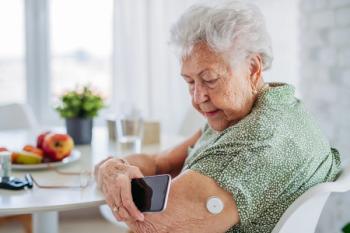
Continuous glucose monitors (CGMs) empower patients with diabetes to take a more active role in managing their condition, but without proper training, many of these advantages become limited.
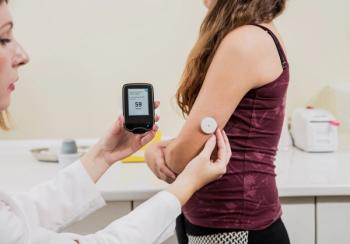
A new study found that cloud-based CGM monitoring services provided statistically significant improvements in high time above range, time in range, and average glucose.
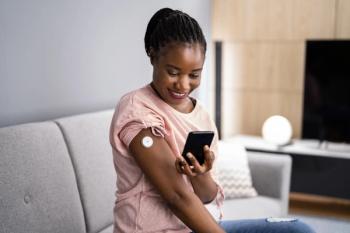
Researchers’ objective was to assess the short-term glycemic benefits of continuous glucose monitoring (CGM) systems compared with patients with type 1 diabetes (T1D) who self-monitor.
Although over 38 million people in the US have diabetes, continuous glucose monitor (CGM) uptake is low. Community pharmacists are uniquely positioned to promote uptake due to their frequent interactions with patients and expertise in chronic condition counseling.
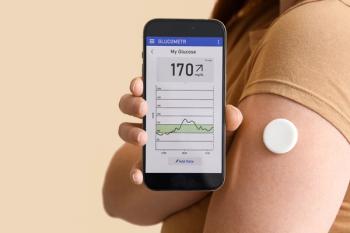
In a poster presented at the 2024 American Pharmacists Association Annual Meeting and Exposition, researchers addressed continuous glucose monitoring and its potential role in indigent communities.

Test your pharmacy news knowledge with our weekly quiz.

Dexcom's Stelo will be available in summer 2024.
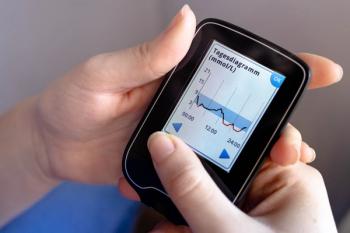
If approved, KnowU will become the world’s first non-invasive blood glucose monitor introduced to the global marketplace.
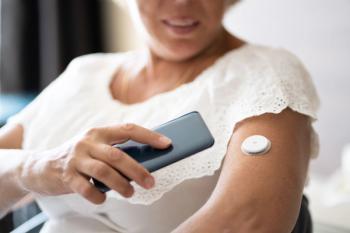
Many patients with the condition continue to experience severe hypoglycemic events even with the use of continuous glucose monitors and other disease management tools.
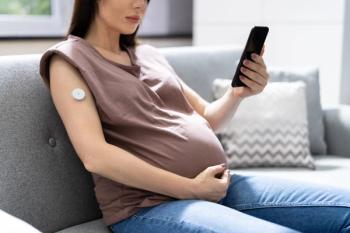
Despite previously suggested benchmarks, investigators found that spending less time-in-range (TIR) can still improve maternal and perinatal outcomes among pregnant patients with type 1 diabetes (T1D).

Although continous glucose monitors (CGMs) have often been tailored to patients with type 1 diabetes, data elicited by these technologies add value to the management of type 2 diabetes by offering insights into patients’ unique responses to food, activity, medications, and more.

Three posters being presented at the Society for Maternal-Fetal Medicine 44th Annual Pregnancy Meeting examined the impact of continuous glucose monitoring on pregnancy outcomes.
Real-time continuous glucose monitoring (CGM) demonstrated benefits associated with time in range, hypoglycemia, and hyperglycemia in patients with type 1 diabetes (T1D).
A Q&A with Kevin Malloy, PharmD, BCPS, on how diabetes technology has improved and how it can help pregnant people manage their disease.