
Therapy is aimed at decreasing pathogenic IgA production and immune complex formation as well as managing the effects of existing nephron loss.
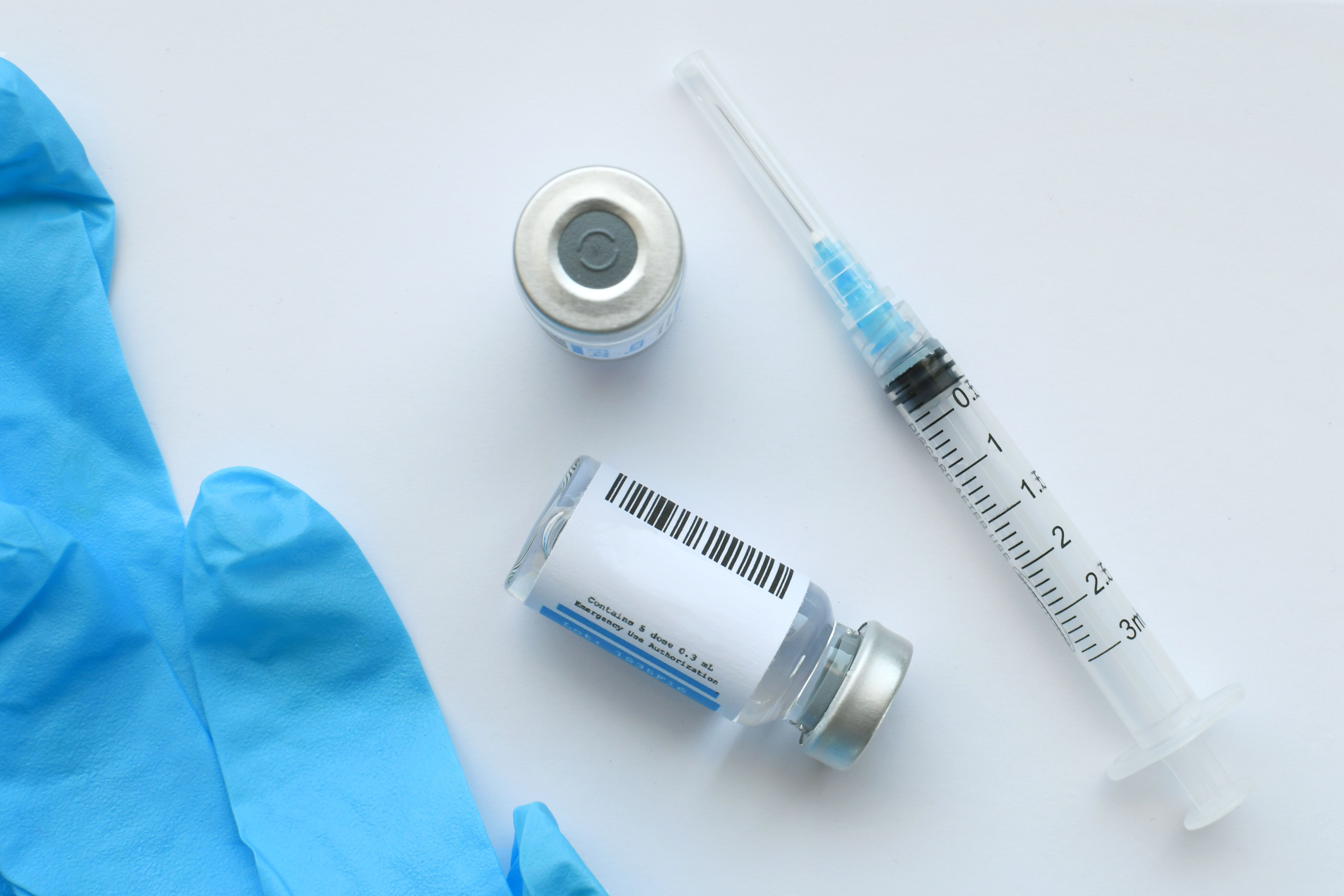
Vaccines prevent millions of deaths annually, and pharmacists play a crucial role in combating misinformation and enhancing community immunization access.
Immunizations are the best way to prevent diseases and can often work with the body’s natural defenses to build better protection, according to the World Health Organization (WHO). There are approximately 30 different vaccines, which target diseases such as cervical cancer, COVID-19, diphtheria, hepatitis B, influenza, measles, mpox, mumps, pneumonia, polio, rabies, and yellow fever. According to WHO, immunizations can prevent 3.5 million to 5 million deaths every year.1
Although vaccines have proven successful, vaccine information is still shared on social media, which can shape behaviors. Evidence-based interventions are important to reduce the effects of misinformation, and efforts can be led by pharmacists.
“When it comes to community pharmacy, it is the most accessible location to get vaccination,” Hashim Zaibak, PharmD, CEO of Hayat Pharmacy,
During the COVID-19 pandemic, there was a rise of vaccine hesitancy due to the use of social media, which became the epicenter of misinformation, according to authors of a study published in the BMJ. Although standard approaches to encourage vaccination included mandatory vaccination and regulation for health care professionals, more contemporary strategies included debunking misinformation via social media.3
“With the COVID-19 pandemic, we saw a lot of misinformation and myths around the COVID-19 vaccines,” Lauren Angelo, PharmD, associate dean for academic affairs at Rosalind Franklin University,
Pharmacists can play an important role in vaccination as well as dispelling vaccine misinformation. In a study published in the Journal of the American Pharmacists Association, the authors stated that pharmacists, because of their accessibility and location, are one of the most trusted sources for patients who need health information and care. Further, pharmacists are in a prime position to listen to patients without judgement and offer honest information to address patient concerns.5,6
“I'm encouraging patients to talk to trusted health care professionals and to not get their advice from social media or the internet or other strangers, focusing on the fact that vaccines have been studied before, during, and after FDA approval,” Laura Knockel, PharmD, BCACP, clinical associate professor at Iowa College of Pharmacy,
READ MORE:
Ready to impress your pharmacy colleagues with the latest drug information, industry trends, and patient care tips? Sign up today for our