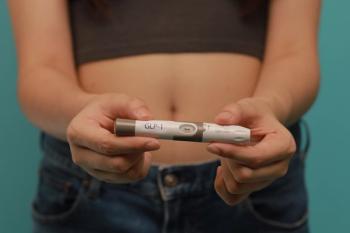
Nicole Pezzino, PharmD, BCACP, BC-ADM, CDCES, details how pharmacies can utilize the booming GLP-1 medication class for greater revenue opportunities.
Cloned pharmacy sites and fake GLP-1 weight-loss pens surge online, prompting federal crackdowns and urgent safety warnings for patients.
Approximately 1 in 10 online pharmacies had their websites and social media presence cloned in order to trick patients into buying counterfeit weight loss medication, according to a new survey from the National Pharmacy Association (NPA). The NPA, which represents 6000 British pharmacies, has accused social media giants of allowing the proliferation of unregulated and unregistered drugs being peddled as weight loss or beauty treatments on their platforms.1
“The lesson is simple and has been consistent, which is 503A pharmacies must remain patient-specific in both form and reality,” Dae Lee, PharmD, Esq, CPBS, shareholder at Buchanan Ingersoll & Rooney, said.2 “High-volume, standardized formulation, and national distribution are no longer being treated as aggressive compounding; they're being treated as manufacturing. If your GLP-1 business model depends on the scale rather than individualized prescriptions, you might be exposed.”
The survey found that 2 in 5 online pharmacies encountered patients who unwittingly purchased weight loss treatments from unregulated providers during the same period. In some instances, the alleged counterfeiters went as far as stealing videos containing legitimate health advice from pharmacists or copying regulator logos from the General Pharmaceutical Council and the Care Quality Commission to bolster their fraudulent claims, NPA claimed. One pharmacy reported that a patient only discovered they had been duped after purchasing a counterfeit tirzepetide (Mounjaro) pen for a fraction of the market price and experiencing no health benefits from the product.
This trend of deceptive digital marketing is not isolated to the United Kingdom, as the FDA recently escalated its own crackdown by issuing warning letters to 30 telehealth companies for misleading claims regarding compounded glucagon-like peptide-1 (GLP-1) products. Over the past 6 months, the agency has sent thousands of warning letters to various firms, a volume that exceeds the total number sent over the entire previous decade. These enforcement actions target companies that falsely imply their compounded versions are identical to approved medications or obscure the actual source of the drug. Compounded drugs are not FDA-approved, and the agency does not review their safety, effectiveness, or quality before they reach the market.3
The clinical risks associated with these unverified alternatives are severe and potentially life-threatening. Novo Nordisk reported that its own testing of certain compounded injectable semaglutide products revealed impurities as high as 86%. Even in small amounts, such impurities can lead to anaphylactic shock or result in hospitalizations due to incorrect active ingredient levels. Other reported incidents include patients receiving GLP-1 medications that were labeled for different individuals or sent without the necessary needles for administration.
Currently, 96% of pharmacies feel that social media companies provide an insufficient response to reports of cloning, and 92% believe the Medicines and Healthcare products Regulatory Agency (MHRA) has also failed to respond adequately.1
As the digital marketplace becomes increasingly complex, pharmacists remain on the front lines, tasked with educating patients about the dangers of seeking out unverified alternatives. Both the American Diabetes Association and the American Medical Association have cautioned against the use of compounded GLP-1s due to uncertainty regarding their quality and effectiveness. With authentic, approved versions of medications such as semaglutide (Wegovy; Ozempic) available, health care experts emphasize that patients should not gamble with their health by using products from unregulated online sources.
“For community pharmacists that are not actually involved in compounding, maybe patients are coming to you with questions,” Annie Lambert, PharmD, BCSCP, clinical program manager for compliance solutions at Wolters Kluwer and board-certified compounding expert, said.4 “Just being able to help them navigate what those differences are, where products can come from; most of the patients, I think, are also having those conversations with their providers. It's really a provider, patient, and pharmacist conversation to navigate.”
READ MORE:
Are you ready to elevate your pharmacy practice? Sign up today for our