The approval is the first new treatment advance in more than 30 years for chronic kidney disease for adults with type 1 diabetes.
Eli Lilly’s new indication helps improve medication delivery for adults with type 2 diabetes, reducing annual injections by over 300.
The FDA approved Eli Lilly’s insulin efsitora alfa-gobe (Onswik) for once weekly basal insulin injections in adults with type 2 diabetes (T2D), according to a news release.1 When paired with lifestyle interventions, the newly approved product is designed to control high blood sugar for up to 7 full days.
“For over a century, Lilly has been developing insulins that transformed diabetes care for millions of people worldwide, but delays in initiating treatment and the burden of daily injections can have a real impact on patients' day-to-day experience managing T2D,” Kenneth Custer, PhD, executive vice president and president of Lilly Cardiometabolic Health, said in the release. “Onswik offers a new once weekly basal insulin option for patients and reflects our continued commitment to deliver innovative treatment options that expand choice and provide greater flexibility in how people manage T2D.”
This approval rests on clinical evidence from the QWINT (
The drug demonstrated a safety profile comparable with traditional daily regimens, though efsitora alfa-gobe is contraindicated in type 1 diabetes due to severe hypoglycemia risks. Replacing daily injections with 52 annual doses directly addresses injection fatigue, which often causes clinicians and patients to delay necessary insulin initiation.1,2
READ MORE:
From a pharmacokinetic standpoint, weekly basal insulins represent a significant advancement over traditional daily formulations such as neutral protamine hagedorn, detemir, and glargine. By utilizing reversible binding to albumin alongside reduced receptor affinity, the molecule achieves a prolonged half-life, providing steady glucose control across 7 days.1-3
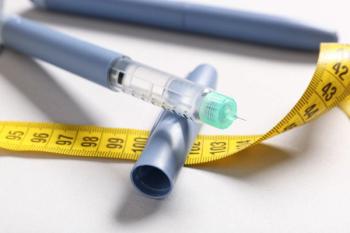
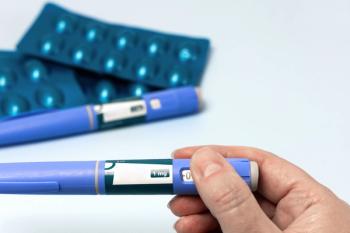
Pharmacists should note that efsitora alfa-gobe will be available in KwikPen devices in 2 concentrations, which are U-500, containing 500 units per milliliter, and U-1000. The U-500 pen delivers up to 400 units in 5-unit increments, whereas the U-1000 pen delivers up to 800 units in 10-unit increments.1
Because dosing scales differ from other injectable diabetes therapies, pharmacists play a critical role in safeguarding prescribed dosages and preventing accidental overdose. Patients must be instructed never to use a syringe to withdraw medication, share pens, or dial maximum dose volumes unless directed by a clinician.
Common adverse events include hypoglycemia, injection site reactions, lipodystrophy, and weight gain. If a patient misses a dose, pharmacists can advise taking it within 4 days or skipping it, if more than 4 days have elapsed, to resume the regular weekly schedule.1
The arrival of once weekly basal insulin comes at a crucial time, as CDC data indicates that nearly 50% of chronic disease medications are not taken as prescribed. In diabetes care, only about half of patients reach target hemoglobin A1C goals due to complex administration, hypoglycemia fears, and injection anxiety.2-4
Long-acting insulins serve as the foundation of therapy when oral agents like metformin no longer maintain control. Transitioning from daily maintenance to a once weekly injection eliminates hundreds of annual needle sticks, offering a key tool to improve adherence and persistence.1-3
Pharmacists occupy an accessible frontline position to guide patients through these transitions. Reports from the Florida Pharmacy Foundation emphasize that pharmacists regularly perform vital services, including medication optimization, blood glucose tracking, and personalized consultations in practice. Collaborative drug therapy management agreements also allow pharmacists to work alongside physicians to conduct comprehensive medication reviews and adjust dosages effectively.4,5
Integrating once weekly basal insulin into diabetes self-management education programs empowers pharmacy professionals to bridge care gaps and help patients achieve target glycemic goals safely. As efsitora alfa-gobe becomes available, pharmacists will play an immense role in ensuring the right treatment regimens reach the right patients.
READ MORE: