


The combination outperformed ixekizumab alone on skin, joint, and weight outcomes through 52 weeks.
The combination outperformed ixekizumab alone on skin, joint, and weight outcomes through 52 weeks.

Once-weekly basal insulin has moved from an intriguing possibility to a new clinical reality.

Molly O’Shea, MD, FAAP, shares insights on MMR coverage, measles outbreaks, and the pharmacist’s role from the perspective of a pediatrician.

Data shows that those who stayed on tirzepatide had monthly health care costs well below those of untreated adults.

Pharmacy technician, Sharon Lucas, showcases how community pharmacy, clinical skills, and lifelong learning are transforming patient care.
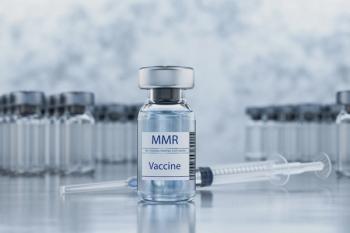
In part 1 of our series, Thomas Lew, MD, ABIM, explores the optimal approaches to meandering vaccine hesitancy amid increasing measles cases.

For patients living with ASCVD, researchers find the optimal approach for ensuring medication adherence within patients’ statin regimens.

Data show adults who received the recombinant shingles vaccine had a lower cardiovascular burden than those who received the discontinued live vaccine.
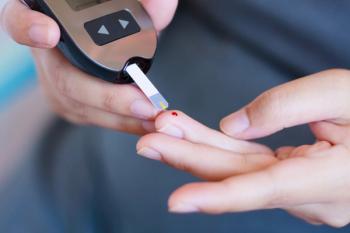
Data show women are more likely to develop mental health disorders with type 2 diabetes, and men are more likely to develop cardiovascular disease.

New recommendations from the American Academy of Neurology and American Headache Society give providers clearer criteria for preventive migraine therapy.

Presenting what they believe are the problems and solutions, PCMA CEO David Marin and NCPA CEO Douglas Hoey, RPh, discuss the US drug pricing dilemma.

The 4 key organizations regularly focusing on respiratory virus season released updated vaccine recommendations for 2026-2027.

As data reframes vaccines as a lifelong tool, pharmacists are becoming the access point that keeps patients up to date at every stage of life.

Scott Stoll and Kenzie Hohman, PharmD, discuss the importance of pharmacy advocacy, from localized efforts to federal movement across the profession.

Community pharmacists use a quick migraine toolkit to spot symptoms early, guide OTC care, and refer patients, aiming to prevent chronic migraines.

Independent pharmacist Tom DePietro explains how shifting vaccine policies, ACIP changes, and patient confusion are reshaping immunization at the pharmacy counter.

The American Pharmacists Association, Canadian Pharmacists Association, and International Pharmaceutical Federation release plans for pharmacists’ primary care integration.

JD Power releases its US Pharmacy Digital Experience Study, highlighting the growing importance of digital solutions in pharmacy practice and business.

A new migraine toolkit helps community pharmacists spot underserved patients, tackle racial diagnosis gaps, and connect Black adults to care.

Kelly Goode examines 2026–27 vaccine guidance for pharmacists, detailing updated flu, COVID-19, and RSV recommendations and coadministration.

In part 2, Scott Stoll and Kenzie Hohman, PharmD, explain their respective advocacy efforts, highlighting the sheer range of a profession fighting for change.

Live attenuated influenza vaccine increased pneumococcal density in vaccinated children, raising odds of pneumococcal infection among household contacts.

Kenzie Hohman, PharmD, and Scott Stoll believe pharmacy advocacy is inherent in its workforce, despite the constant and deterrent pressures it faces.

The federal government is actively looking to enhance its evolving approach toward US childhood vaccine recommendations.

The first new US sunscreen active ingredient in years is reaching shelves through dsm-firmenich's Parsol Shield and Ultra Violette's new SPF launch.

Data show starting antivirals within 48 hours of symptom onset sharply lowers pediatric hospitalization risk.

The approval gives pharmacists a new nonTNF biologic option across both major forms of pediatric inflammatory bowel disease.
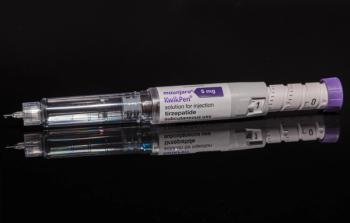
With previous approvals for weight loss and sleep apnea, tirzepatide is opening doors to a healthier well-being for patients living with type 2 diabetes.

Pfizer and BioNTech, Moderna, Sanofi, and Takeda received FDA approval for updated 2026-2027 COVID-19 vaccines reformulated to target the XFG variant.
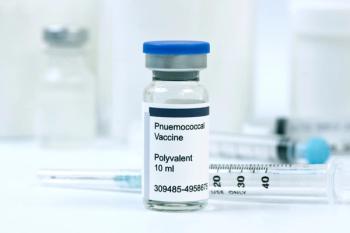
New consensus confirms that chronic obstructive pulmonary disease, asthma, bronchiectasis, and lung cancer are indications for pneumococcal vaccination.