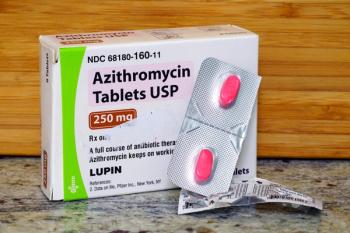
Pharmacists reviewing pediatric respiratory prescriptions can reinforce guideline-first antibiotic choices as pneumococcal resistance persists.
A prescription is only the first step, as this issue explores how pharmacists follow through, both clinically and financially.
As we close out 2026, this November/December issue of Drug Topics keeps returning readers to the simple idea that much of what matters in patient care happens after an obvious first step. A prescription is written, a laboratory result posts, a new therapy is approved, a grant is awarded, and then the real question emerges: Does anyone follow through? Across our clinical features and coverage of the business of pharmacy, the answer keeps pointing to the same people: Pharmacists are the ones who close the loop.
Our cover story, by Jenny Hollingsworth, PharmD, makes that case for diabetes, a condition that affects 40.1 million people in the US and carries an estimated $431 billion in annual health care costs. Patients see their community pharmacist approximately 1.5 to 2 times more often than their primary care provider, and Hollingsworth illustrates how those visits add up to real care—optimizing regimens, navigating prior authorizations and patient assistance programs, selecting and interpreting glucose monitoring devices, closing immunization gaps, and counseling on the lifestyle changes that address insulin resistance at its root.
The therapeutic landscape for patients with diabetes is evolving rapidly. Marissa Salvo, PharmD, BCACP, FCCP, FCPA, and Rebecca Rakiec, PharmD, review insulin icodec-abae (Awiqli), approved in March as the first once-weekly basal insulin in the US, including the dose conversion and missed-dose guidance pharmacists will need when patients switch from daily therapy. Adam Franis and Jennifer Goldman, PharmD, CDCES, BC-ADM, FCCP, look further ahead at cardiometabolic care, from the 2026 American Diabetes Association/European Association for the Study of Diabetes consensus report's push toward earlier organ protection to a pipeline that includes retatrutide, CagriSema, and new amylin-based agents. Their caution is worth repeating: A weight-loss percentage is not an outcomes trial, and a new therapy's value depends on whether patients can stay on it.
Follow-through is also at the center of technology in infectious disease management. Some molecular tests can identify an organism in as little as 15 minutes, but as the pharmacists Keith Loria spoke with point out, a fast result that sits unread for hours changes nothing. The same holds for artificial intelligence (AI), which should prioritize a pharmacist's worklist rather than make the clinical call. Mark Garofoli, PharmD, MBA, makes a related case for compounded pain therapies, framing them not as a luxury but as a precision tool for patients who have exhausted standard options.
Our coverage of the Total Pharmacy Solutions Summit Fall 2026 event, reported by Drug Topics editor Brian Nowosielski, brings the business side of pharmacies following through into focus. Across 5 sessions, speakers described the payment structures now taking shape around community pharmacy: bonus-only adherence and gap-closure incentives through the EQUIPP platform; hybrid models that pair fee-for-service medical billing with value-based contracts; manufacturer-sponsored messaging aimed at the nearly 4 in 10 first-fill patients who do not pick up a prescription within 90 days; patient-first, AI-powered technology for clinical services; and the $50 billion Rural Health Transformation Program that states are now turning into grants. The session on AI rounded it out with practical advice: Treat any new tool like your newest technician, and start with one small, measured pilot. The common thread was documentation. One pharmacy group raised its EQUIPP documentation rate from 5.3% to 86.6% in less than 3 months, a reminder that care that goes undocumented is often care that goes unpaid.
Pharmacy has never lacked opportunities to help patients. What this issue shows is that the opportunities that last, clinically and financially, belong to those who see them through. Thank you for the work you have done this year, and I hope this issue gives you a few ideas to carry into 2027.