Compounding, Peptides, and GLP-1s: Opportunities & Risks for Pharmacies in 2026
Lucas Morgan, Esq, and Dae Lee, PharmD, Esq, CPBS, present on the significant opportunities and regulatory risks surrounding compounded peptides and GLP-1 products in 2026.
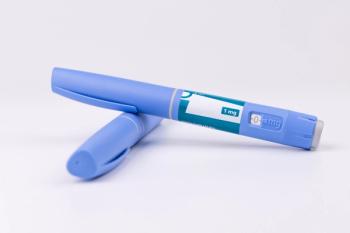
With the shortage of commercially available drugs creating a massive opening for independent pharmacies to diversify their portfolios and tap into cash-based revenue, this growth is met with intense scrutiny from the FDA and state boards of pharmacy. This is especially prominent in the glucagon-like peptide-1 (GLP-1) and compounded peptide spaces.

At the Total Pharmacy Solutions Summit Summer 2026 event, Lucas Morgan, Esq, and Dae Lee, PharmD, Esq, CPBS, shareholders at Buchanan Ingersoll & Rooney, presented a session titled “Compounding, Peptides, and GLP-1s: Opportunities & Risks for Pharmacies in 2026.”
They emphasize that pharmacies must navigate a legal fork in the road between traditional 503A patient-specific compounding and 503B outsourcing, ensuring their operations do not inadvertently mirror manufacturers.
To remain compliant, pharmacies must ensure every compounded preparation is based on a valid prescription identifying a clinically significant difference for the patient, as producing “essentially a copy” of a brand-name drug is prohibited outside of national shortages. Furthermore, maintaining rigorous documentation is non-negotiable; this includes verifying API sources through legitimate certificates of analysis and ensuring all non-resident permits and pharmacist-in-charge licenses are current.
As marketing practices and telehealth relationships face increased policing, performing legal due diligence upfront is essential to prevent regulatory actions that could jeopardize a pharmacy’s entire third-party payer standing.
Explore more of our coverage from the Total Pharmacy Solutions Summit Summer 2026: Policy, People, and Profitability.