

GLP-1 therapies are being evaluated to treat cardiovascular and kidney diseases in individuals with overweight or obesity.
GLP-1 therapies are being evaluated to treat cardiovascular and kidney diseases in individuals with overweight or obesity.
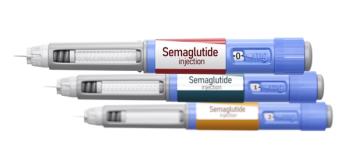
These therapies are highly beneficial, but can come with a host of gastrointestinal adverse effects that patients may not be prepared to manage alone.

Some patients may have difficulty managing the gastrointestinal adverse effects associated with GLP-1 therapies.
Check out important updated from the FDA for the week of July 29.

Researchers aimed to discover whether pharmacist-led delivery of oral anticoagulation therapy can lead to an increase in stroke risk reduction for patients with actionable atrial fibrillation.

The technology from Diakonos Oncology initiates a natural immune response that targets and eliminates cancer cells by activating cytotoxic TH1 cell signaling pathways.
Afami-cel is the first new treatment for synovial sarcoma in more than 10 years, ending a long-standing therapeutic gap.

Liraglutide slowed the loss of volume in critical brain regions and cognitive decline in patients with mild Alzheimer's dementia.

Pharmacists should be knowledgeable about the symptoms of chemical peel irritation to effectively advise patients.

In 3 Phase 3 trials, elinzanetant reduced the frequency and severity of moderate to severe vasomotor symptoms, and improved sleep disturbances.

Researchers aimed to address the association of all-cause dementia risk and 3 separate chronicities of anxiety.

Anisha Patel, PharmD, a pharmacist turned podcast host, shares insights on leveraging all the opportunities pharmacy has to offer to build a diverse and rewarding career.

Catch up on important immunization news from the month of July.
The investigational oral, selective NaV1.8 pain signal inhibitor from Vertex Pharmaceuticals demonstrated a favorable benefit/risk profile in 3 phase 3 trials.

Researchers aimed to address the change in trust individuals exhibited regarding US physicians and hospitals during the COVID-19 pandemic.
Catch up on important diabetes news from the month of July.

Catch up on important pain management news from the month of July.
CVS Caremark and the State of Illinois settled a lawsuit due to the company’s failure to pay contracted rebates.

The new FDA-approved presentation will be the company’s third 505(b)(2) injectable added in 2024, expected to launch in the third quarter.

Catch up on important dermatology news from the month of July.

Researchers analyzed the prominence of opioid and methadone prescriptions for hospitalized newborns with substantial morbidities.

Check out this list of our top 10 most read stories from July 2024.
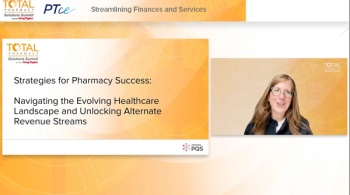
Emily Endres, BSPS, vice president of pharmacy at Innovaccer discuss the evolution of healthcare and provides insights into the industry’s next phase.
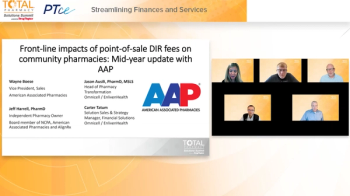
A roundtable session discussed the real-world implications of applying Direct and Indirect Remuneration (DIR) fees at the point of sale rather than through retroactive clawback.

In case you missed it, this week we had news about drug expenditures, managing the peak asthma season, successes in HIV drugs, and more.
Check out these important FDA updates from the month of July 2024.

Researchers aimed to address the associations between prenatal cannabis use and maternal health outcomes over a 9-year period.

Galderma said the FDA has accepted the company’s Biologics License Application for the therapy based on data from the trials.
In the final part of his conversation on Over the Counter, Mayank Amin, PharmD, RPh, MBA, reflects on 5-years worth of learnings at Skippack Pharmacy and offers candid perspectives on the future of community pharmacy.

In part 3 of his conversation with Drug Topics on Over the Counter, Mayank Amin, PharmD, RPh, MBA, continues his inspiring story of reopening Skippack Pharmacy and details the beginnings of The Superman Pharmacist.