





















The approval is based on the FINEARTS-HF (NCT04435626), showing that the drug achieved a 16% relative risk reduction of cardiovascular death and total heart failure events.
The approval is based on the FINEARTS-HF (NCT04435626), showing that the drug achieved a 16% relative risk reduction of cardiovascular death and total heart failure events.

Patients with a single cardiometabolic disease have an approximately 48% greater risk of developing all-cause dementia than those without a cardiometabolic disease.

In a real-world, 6-month analysis, glucagon-like peptide-1 programs with obesity telemedicine behavioral programs resulted in benefits to weight loss and blood pressure.

When compared with adults 45 years and older, those 18 to 44 years are less likely to receive treatment or achieve target goals for cardiometabolic risk factors.

Investigators of a study used a systematic review and meta-analysis to evaluate the risk of major adverse cardiac events related to cannabis by using real-world data.

Investigators find that patients with moderate weight loss or those who were weight resistant still had improvement in cardiometabolic health.
Investigators find that the risk for new-onset diabetes is especially prominent for patients aged 20 to 29 years.

Widaplik is a single pill combination of telmisartan, amlodipine and indapamide used to lower blood pressure in adult patients.
Investigators found that simvastatin added to escitalopram for patients with obesity and major depressive disorder did not have increased antidepressive effects.

The primary challenges include disruption in medication supply and increased demand for essential medications due to heightened health concerns.
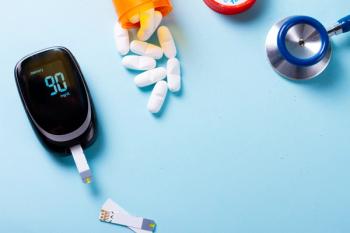
Esaxerenone is a nonsteroidal mineralocorticoid receptor blocker that is being studied for its effectiveness for diabetes-associated mineralocorticoid receptor-related hypertension.

Researchers aimed to estimate the impact of using behavioral science principles within communication intended for hypertension medication adherence.

By protecting pregnant patients from cardiometabolic risk factors, healthier blood pressure can be promoted for children.
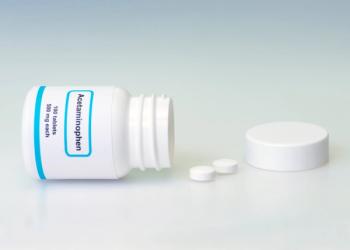
Acetaminophen exposure can increase the risk of perforation, ulceration, bleeding, heart failure, hypertension, and chronic kidney disease.

Pharmacist-led interventions improve medication adherence compared with the usual care for patients with heart failure and type 2 diabetes.
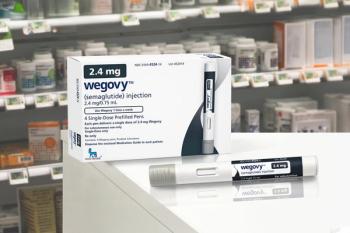
Semaglutide resulted in a significant reduction in the risk of MACE within the first 3 months of treatment compared to placebo.

Angiotensin-converting enzyme inhibitors have been known to be more effective in decreasing the incidence of major adverse cardiac events for patients with diabetes.

Katherine Tromp, PharmD, interim dean at Northeast Ohio Medical University College of Pharmacy, discusses how pharmacists can help prevent heart disease in women.

Hypertension and obstructive sleep apnea are considered independent risk factors for cardiovascular diseases as well as diabetes.

The drug shows a decrease in proteinuria and is well tolerated and safe, including for Black patients with chronic kidney disease.

Technology, such as continuous glucose monitors, changes the way patients are treated, but more work needs to be done for racial, ethnic, and socioeconomic disparities.

Pharmacists can help manage complications from long COVID-19, as no medications can treat it.
Patients with pulmonary arterial hypertension (PAH) received the maximum tolerated dose of background therapy with sotatercept or the placebo to the therapy.

Diana Isaacs, PharmD, BCPS, BCACP, BC-ADM, CDCES, joined Drug Topics to discuss which indications patients typically gravitate toward for the use of GLP-1 medications.

The decision makes the RNAi therapeutic the only therapy approved by the FDA to treat ATTR-CM and hATTR-PN.